
Tag: Economy
-
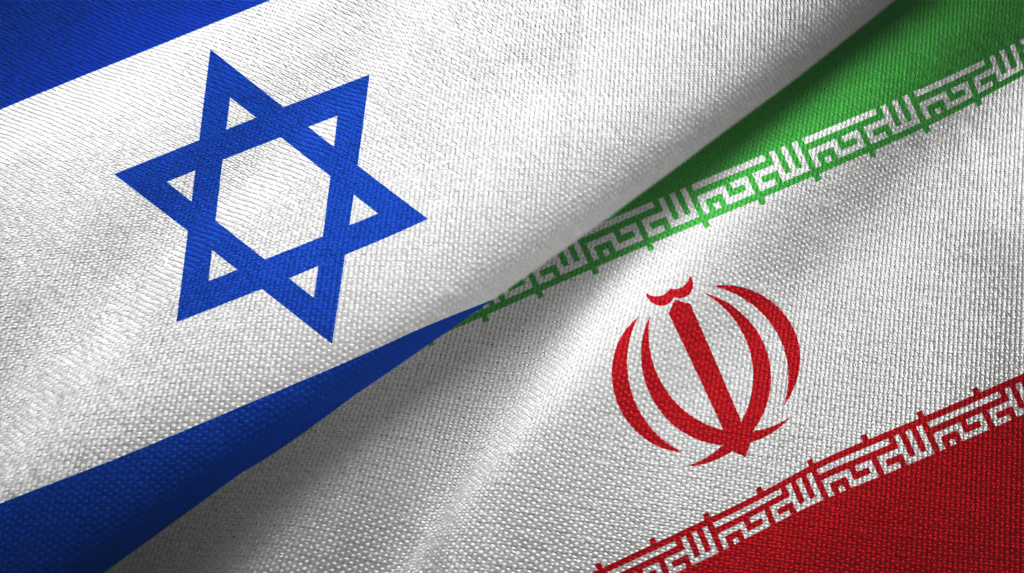
Middle East Conflicts and Their Impacts on Africa
As geopolitical tensions rise in the Middle East, African nations face indirect but significant consequences. This article explores how global conflicts—while physically distant—can impact Africa through economic volatility, disrupted trade routes, and diplomatic considerations. It examines the varied responses across the continent, highlights key areas of vulnerability, and outlines practical…
-
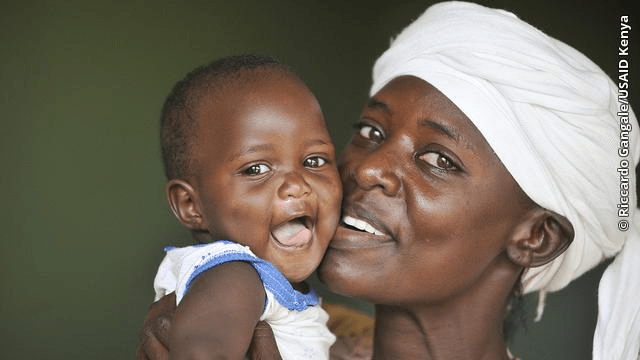
Urgent Need for African Self-Reliance in Healthcare and Development
For decades, Africa has relied on international aid to support its healthcare and development sectors. However, the recent suspension of U.S. foreign aid has exposed the vulnerabilities of this dependency, disrupting life-saving programs and leaving millions at risk. As HIV treatment clinics close and humanitarian organizations struggle to maintain operations,…
-
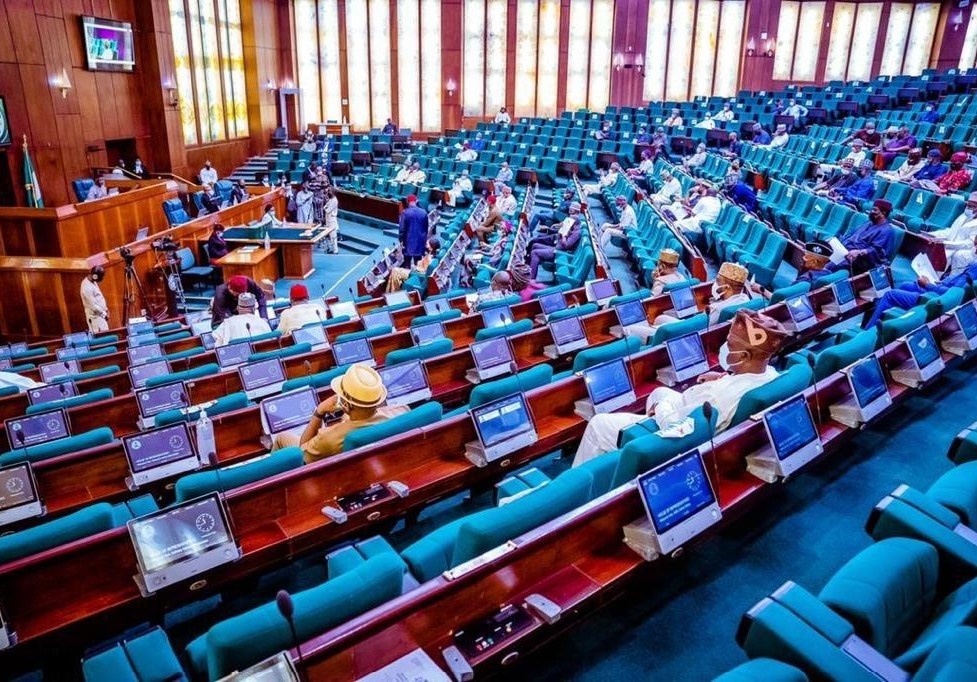
Nigeria Parliament Rejects Bill to Expand Islamic Law in Nigeria’s Constitution
In a recent session, Nigeria’s House of Representatives voted down a bill that sought to amend the 1999 Constitution by expanding the scope of Islamic law beyond personal matters. Sponsored by Aliyu Misau, a representative from Bauchi State, the bill proposed to remove the term “personal” from several constitutional sections,…
-
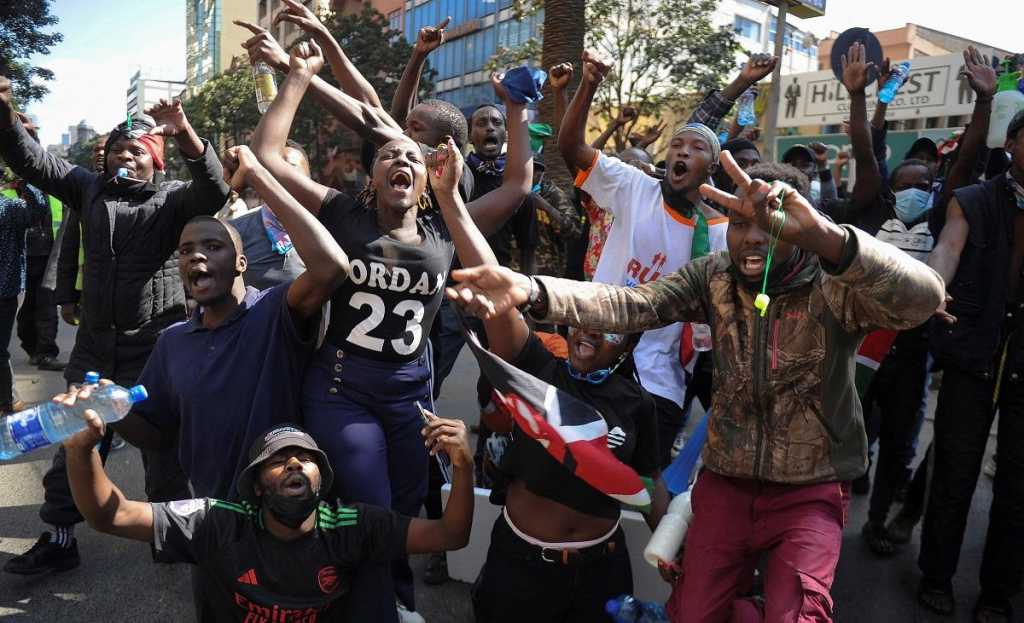
Kenya Protest 2024: A Turning Point for Fiscal Policy and Civic Engagement
Kenya’s 2024 protests, centered around the controversial Finance Bill, have drawn international attention due to their intensity and broad socio-economic implications. The protests were sparked by the Kenyan government’s proposal of the Finance Bill 2024, which included significant tax hikes aimed at increasing the tax-to-GDP ratio from 13.5% to 20%…
-
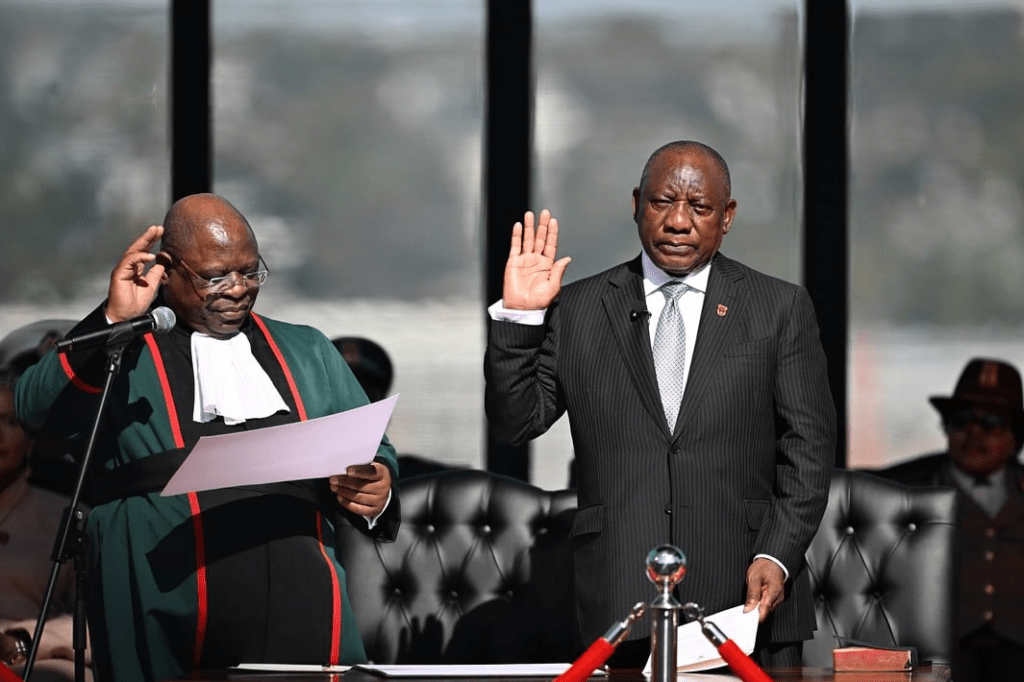
ANC, DA, and IFP Coalition in South Africa: A New Era Under Ramaphosa
Yesterday 19th June 2024, Cyril Ramaphosa was sworn in once again as President of South Africa, but this time under a unique political landscape. For the first time in the nation’s democratic history, the African National Congress (ANC), Democratic Alliance (DA), and Inkatha Freedom Party (IFP) have formed a coalition…
-
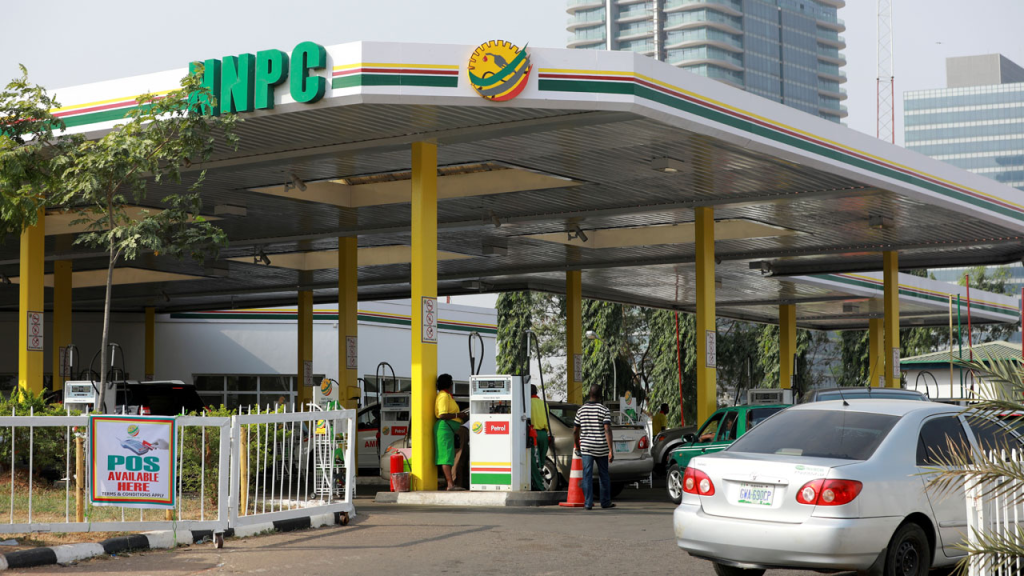
Nigeria at a Crossroads: Subsidy and Exchange Rate
Nigeria’s new president, Bola Tinubu, has made bold moves by scrapping the fuel subsidy and unifying the exchange rates. These policies, while applauded by some economists, have sparked heated debate across the nation. So, is Nigeria on the right track? Should citizens simply trust the government and endure the short-term…
-
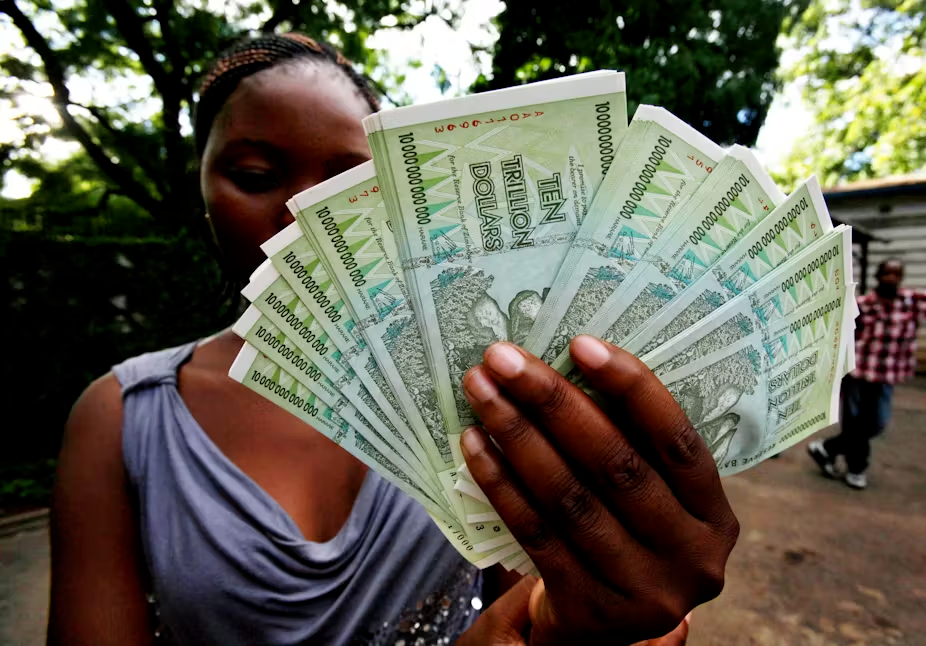
Zimbabwe’s Currency: History and Uncertain Future
Imagine prices doubling or tripling within hours. That’s the grim reality Zimbabwe faced in 2008, a country grappling with the world’s highest hyperinflation (a staggering 79 billion percent!) and a collapsing currency. But how did this once-promising nation end up with a seemingly worthless piece of paper in its wallet?…
-
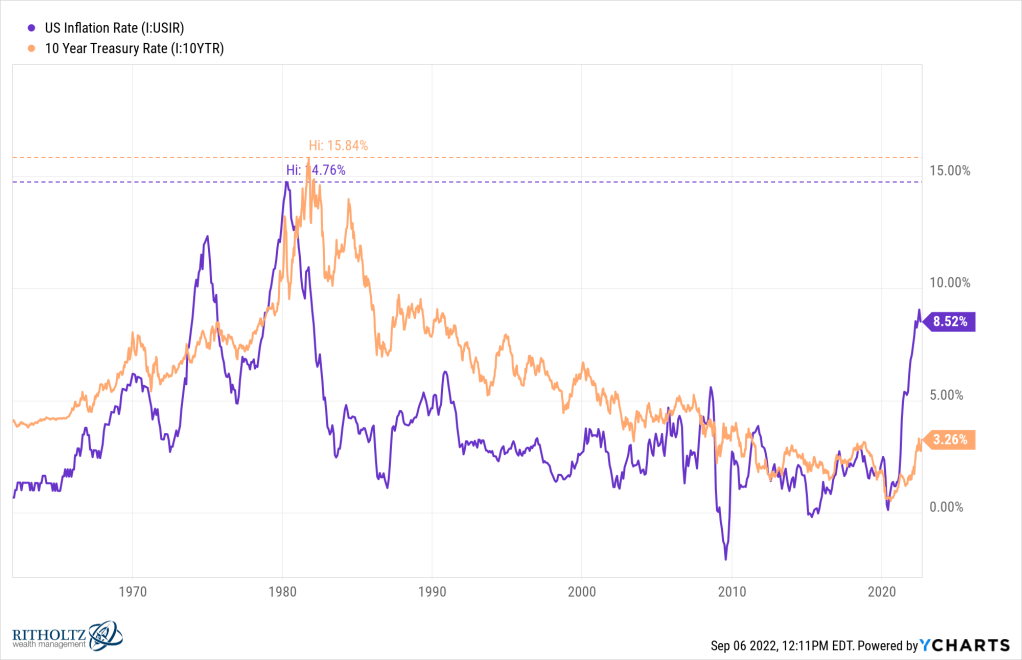
Why Do Interest Rates Go Up When Prices Do?
Central banks, like the US Federal Reserve, aim to maintain stable prices and employment. When inflation rises, they raise interest rates to reduce borrowing and spending, curbing inflation. However, this can also slow economic growth and lead to higher unemployment. It’s a delicate balance, but crucial for a healthy economy.
-
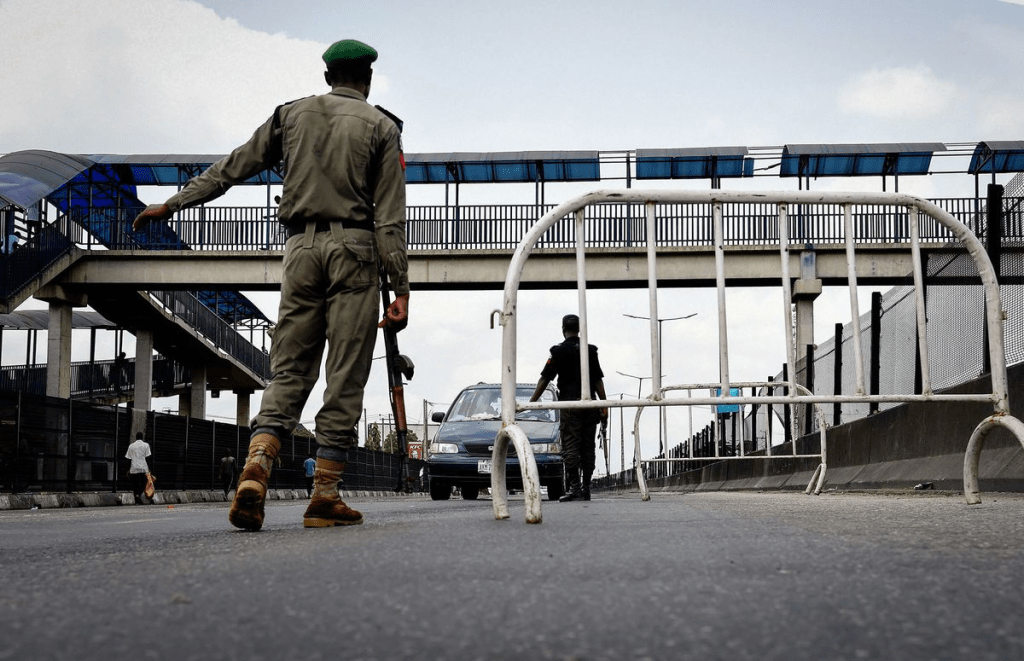
Security versus Economy: A Nation’s Tightrope Walk
In the eternal debate between security and economy, finding a balance is crucial. Prioritizing security ensures stability and protection, but neglecting the economy can lead to poverty and unrest. Historical examples emphasize the need for a nuanced approach. Ultimately, sustaining a nation’s progress requires balancing both aspects with agility and…
-
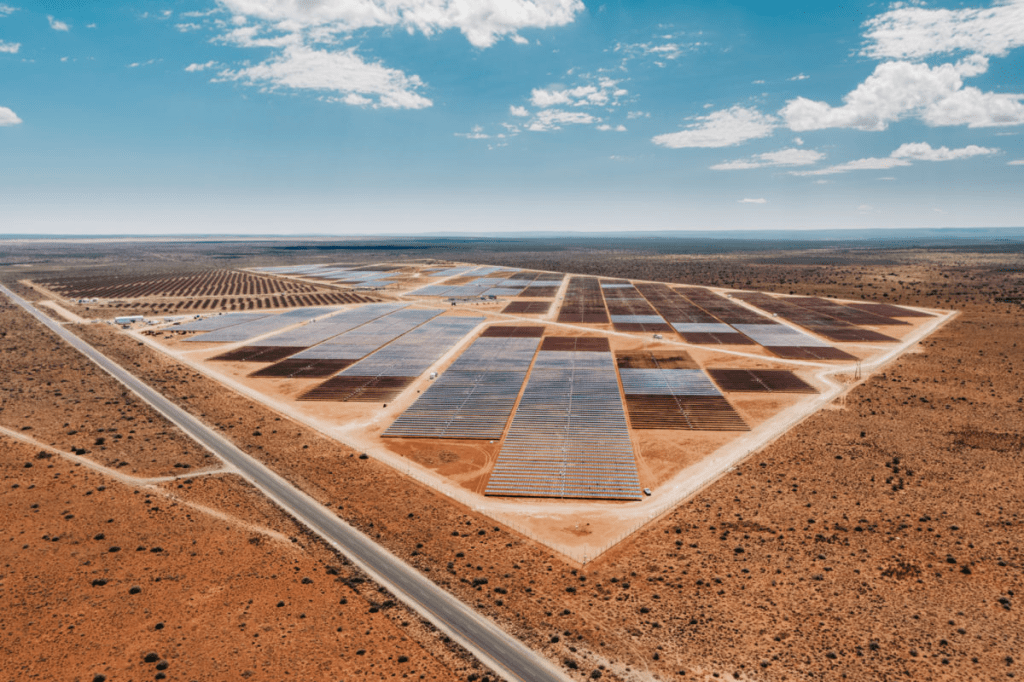
Private Sector Renewable Energy Investment in South Africa
The Renewable Energy Independent Power Producer Procurement Programme (REIPPPP) in South Africa has emerged as a shining example of successful public-private collaboration in the renewable energy sector. Launched in 2011, the REIPPPP has garnered significant praise for its competitive bidding process, which has led to some of the world’s most…
-
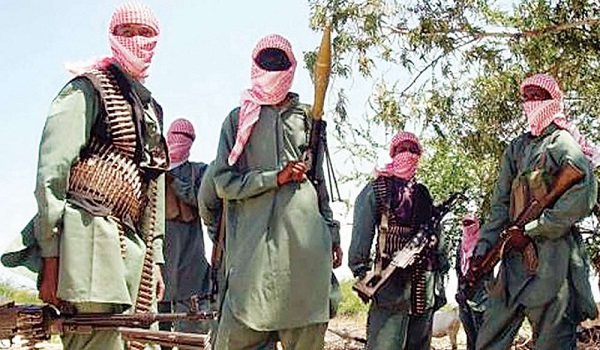
Banditry in Northwest Nigeria: Problem and Necessary Solutions
Banditry in Northwest Nigeria is a longstanding and complex issue deeply rooted in a multitude of factors, including economic hardship, resource scarcity, and weak governance. Over the years, it has evolved into a crisis that demands immediate attention and concerted efforts to bring about lasting solutions. This article explores the…
-
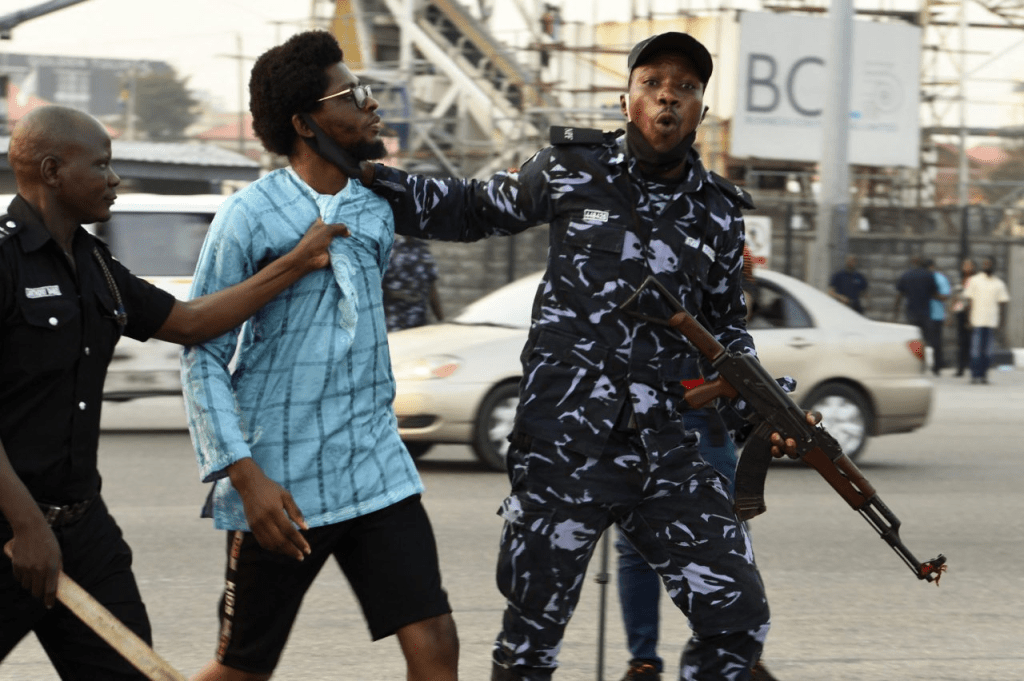
Millennials and Gen Z: Uniting Nigeria’s Future
Nigeria, a country with a rich tapestry of cultures and traditions, has long grappled with challenges that threaten its unity. However, hope shines bright on the horizon in the form of Millennials and Gen Z. These generations, the largest and most diverse in Nigerian history, are poised to play a…
-
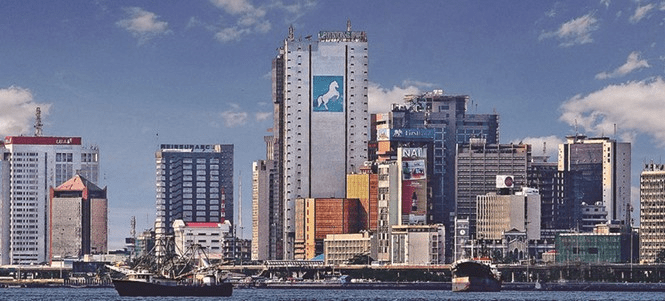
Fintech Boom in Nigeria: Opportunities for Nigerian Youths
In 2021, Nigeria emerged as a powerhouse in Africa’s fintech landscape, with its fintech startups raising an astounding $1.4 billion in funding. This figure accounted for more than half of the total funding secured by African fintech startups during the same year. The rapid growth of Nigeria’s fintech sector can…
 BRYMO'S TAKE