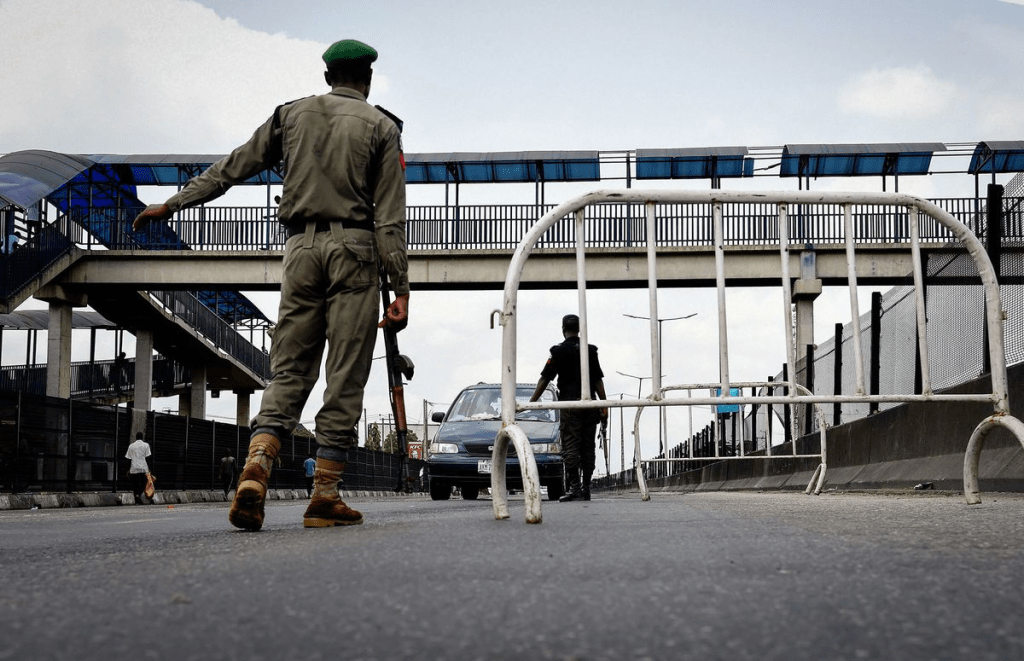
When it comes to a nation’s priorities, two giants stand at the forefront: security and economy. But which one comes first? Is it the sturdy shield protecting our lives and resources, or the engine driving prosperity and progress? This age-old dilemma has puzzled leaders and economists for centuries, with compelling arguments on both sides.
Advocates for prioritizing security paint a grim picture. Without a strong military and vigilant institutions, internal strife and external threats can tear a nation apart. Imagine war-torn regions struggling to rebuild, their economies shattered and investors fleeing. As Abraham Lincoln warned, “a nation cannot exist half slave or half free,” emphasizing the fundamental need for security before economic advancement.
But focusing solely on security can be a double-edged sword. Critics argue that neglecting the economy leaves citizens vulnerable to poverty, unemployment, and social unrest. Nelson Mandela’s post-apartheid South Africa serves as a stark reminder of the importance of economic upliftment for societal peace and stability. A weak economy, like a rickety bridge, can’t sustain the weight of national security needs.
So, is there a magic formula? History whispers about the dangers of neglecting either aspect. The Roman Empire’s military might initially fueled economic growth, but its overextended forces ultimately paved the way for its decline. Conversely, Weimar Germany’s hyperinflation after World War I crippled its economy, creating fertile ground for political extremism.
Perhaps the key lies in walking a tightrope, balancing security and economy with agility and foresight. Investing in education, technology, and social safety nets can simultaneously enhance human capital and resilience, building a foundation for both security and economic progress. Thomas Friedman’s “Golden Arches Theory” postulates that nations with McDonald’s are less likely to go to war, highlighting the potential of economic interdependence to foster peace and security.
Ultimately, the choice between security and economy is not a binary one. It’s a dynamic dance, demanding constant reevaluation and adjustment based on unique circumstances and threats. Leaders must wield historical lessons like tools, crafting nuanced approaches that prioritize long-term sustainability and the well-being of their citizens. As FDR eloquently stated, “No greater thing is demanded of man than that he should stand up for his rights. Nor is it a lesser thing to stand up for the rights of others.” This principle applies equally to safeguarding the security and fostering the economic well-being of a nation.
So, the next time you hear this age-old debate, remember: it’s not a matter of choosing one over the other, but finding the perfect balance on the tightrope of national progress. For a nation thrives not just with strong walls, but also with a prosperous heart.


Leave a Reply