
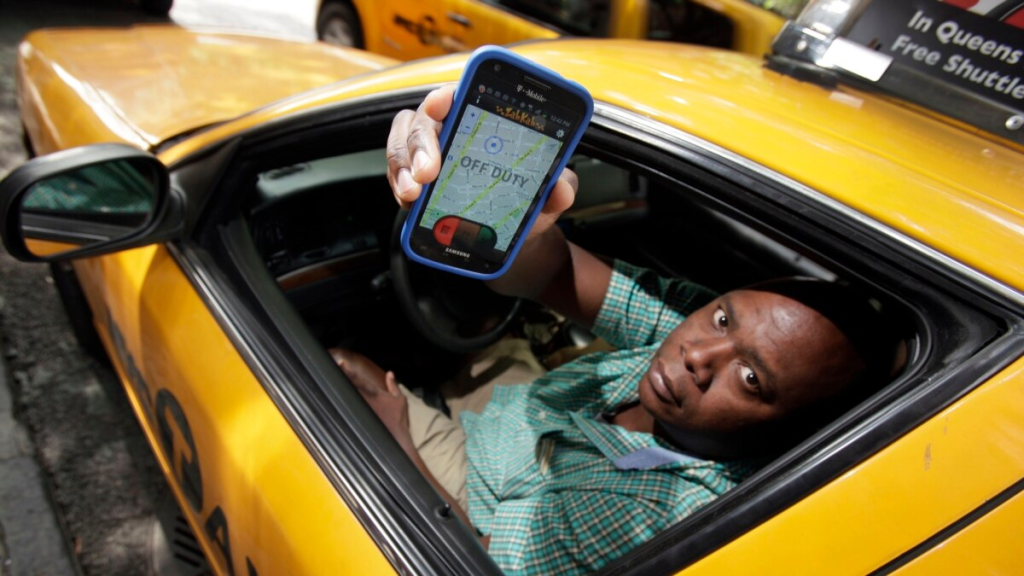
The iconic yellow cab, once a ubiquitous symbol of urban mobility, has faced a formidable challenger in recent years: the sleek, app-driven ride-hailing service. Software played a pivotal role in reshaping the transportation landscape, revolutionizing how people summon rides and pay for their journeys.
Gone are the days of frantically waving down cabs or enduring endless phone calls to dispatch. Ride-hailing apps like Uber and Lyft introduced a new level of convenience. With a few taps on a smartphone, passengers could summon a car, track its arrival in real-time, and pay electronically. This eliminated the hassle of haggling over fares or navigating unclear directions, making transportation more seamless than ever.
Uncertainty over taxi fares was a common frustration, but ride-hailing apps changed that by providing upfront pricing estimates. Passengers no longer had to worry about surprise fees or opaque meter calculations. Knowing the fare beforehand fostered trust and encouraged spontaneous travel, ensuring a more predictable and stress-free experience.
Beyond just offering a ride, these platforms expanded the choices available to passengers. From luxury sedans for special occasions to spacious SUVs for family trips, ride-hailing apps catered to diverse needs and budgets. This flexibility allowed users to personalize their transportation experiences, making each journey more tailored and comfortable.
Accountability became another game-changer in the industry. Ride-hailing services implemented driver ratings and reviews, giving passengers a voice and holding drivers accountable for their service. This feedback loop incentivized better customer service and safe driving, enhancing overall passenger satisfaction.
The rise of smartphones and mobile internet made app-based services more accessible, and some traditional taxi industries struggled to keep pace with technological advancements. While some companies adapted by integrating app-based booking systems, others faced challenges in adjusting to the new competitive landscape.
The impact of ride-hailing apps has varied globally, with some regions seeing cooperation between traditional taxis and app-based services. However, the undeniable convenience and flexibility of these platforms have changed the industry irreversibly. As technology continues to evolve, the future of transportation will likely involve a mix of collaboration and competition.
The next time you hail a ride, remember that it’s more than just a car arriving—it’s the result of a software revolution that has redefined urban mobility. The journey from flagging down cabs to tapping for rides has been transformative, and the future promises even more exciting innovations in transportation.
How has this transformation impacted your experience with urban mobility? Share your thoughts and observations as we continue to navigate the ever-changing world of transportation.

 BRYMO'S TAKE
Leave a comment