
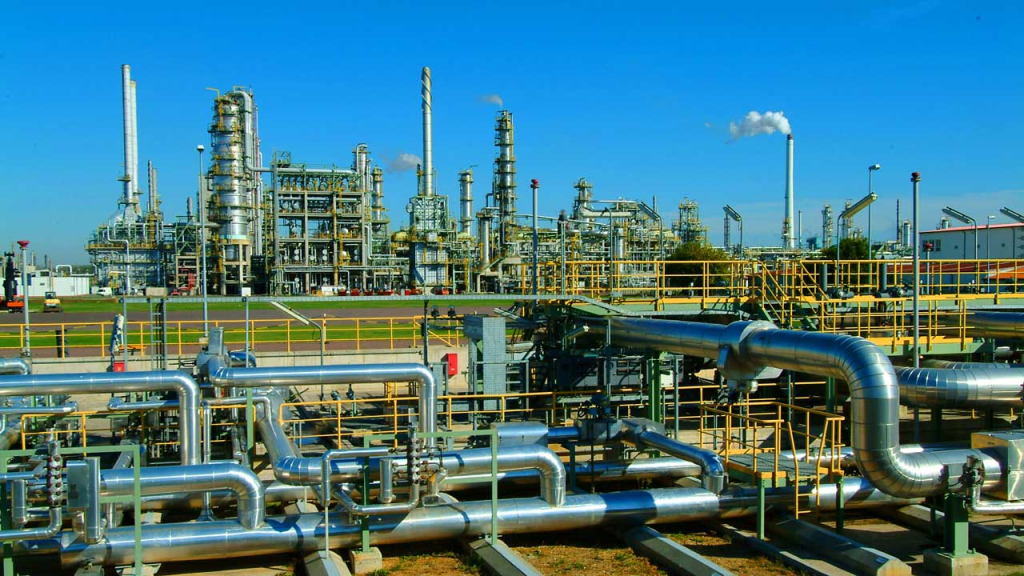
Image Source: The Guardian Nigeria News – Nigeria
Nigeria, often referred to as the “Giant of Africa,” is a nation with vast oil reserves. However, this valuable resource has long been marred by issues of oil theft, pipeline vandalism, and a lack of refining capacity. In recent years, Nigeria has been exploring the potential of modular refineries as a solution to these problems. These smaller-scale refineries, with capacities of up to 30,000 barrels per day, have the potential to revolutionize the Nigerian oil and gas sector.
Modular refineries offer several advantages over traditional large-scale refineries. They are more affordable to build, attracting both domestic and foreign investors and fostering growth in the oil and gas industry. Their proximity to oil fields reduces transportation costs and logistical challenges, enhancing supply chain efficiency. Additionally, their scalability allows them to be adapted to changing market demands, which is particularly valuable in a volatile global oil market.
The adoption of modular refineries in Nigeria presents significant benefits. By increasing local refining capacity, Nigeria can reduce its reliance on imported petroleum products. This can lead to lower fuel costs, easing the financial burden on consumers. The establishment of modular refineries also stimulates economic activity, particularly in oil-producing regions, creating job opportunities and broadening the economic base. The employment prospects for youth in skilled and semi-skilled trades address a pressing issue of youth unemployment in the country.
To fully harness the potential of modular refineries, the Nigerian government must implement supportive policies. Financial incentives, such as tax breaks, can attract investors. Streamlining licensing and permitting processes will simplify the establishment of these refineries. Infrastructure improvements, including roads, power, and water, should be provided at competitive rates. Additionally, a stable investment environment is essential to building investor confidence and fostering long-term growth.
Regulatory measures are necessary to standardize operations, ensure safety, and protect the environment. The government must develop national standards for fuel quality and safety, establish a robust regulatory framework, and conduct regular compliance inspections. Modular refinery operators must invest in quality control, implement rigorous safety procedures, and develop environmental mitigation plans to minimize their impact. Adopting clean technologies and best practices will help reduce pollution and ensure sustainability.
Collaboration between the Nigerian government and modular refinery operators is essential for maximizing the benefits of this initiative. Properly implemented, modular refineries can significantly boost Nigeria’s oil and gas sector while promoting economic prosperity and stability in the Niger Delta region. With careful planning and execution, modular refineries can serve as a transformative solution to Nigeria’s refining challenges and contribute to a more efficient and sustainable oil industry.
 BRYMO'S TAKE
Leave a comment