
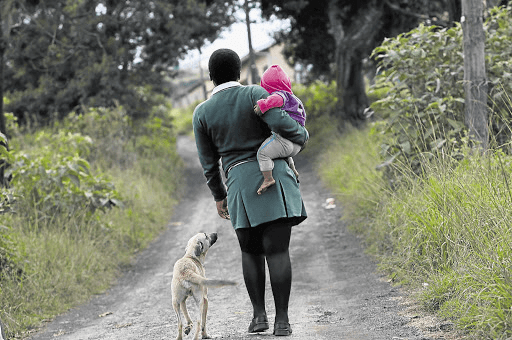
Source: Sunday Times, South Africa
In South Africa, single parenthood is on the rise, with black households being particularly affected by this trend. According to the 2019 General Household Survey, 41% of children under the age of 18 live with a single mother, with the figure rising to 56% in black households. This growing phenomenon is driven by factors such as teenage pregnancy, divorce, and abandonment. Compounded by poverty and unemployment, single parents often struggle to provide for their children’s needs, leading to numerous negative consequences for both parents and children.
Teenage pregnancy remains a significant contributor to single parenthood in South Africa, with young mothers often lacking the necessary resources and support. The rising rate of divorce also contributes to single-parent households, leaving one parent solely responsible for raising children. In cases of abandonment, fathers may leave their families, placing the burden of child-rearing on mothers. Economic difficulties, particularly poverty and unemployment, further exacerbate the struggles of single parents, making it difficult to meet basic needs such as food, shelter, and education.
The consequences of single parenthood are far-reaching. Single parents are more likely to live in poverty due to fewer earners in the household, often necessitating multiple jobs to make ends meet. Children in single-parent households face a greater risk of dropping out of school and are less likely to pursue higher education, as additional household responsibilities limit their study time. Health concerns, including obesity and mental health issues, are more prevalent among children from single-parent homes due to the stress and trauma associated with their circumstances. Additionally, the likelihood of involvement in criminal activities increases due to the risks associated with poverty and social exclusion. Single parents also experience social isolation, as they may have limited time for social interactions and face societal stigma.
Recognizing these challenges, the South African government has implemented various initiatives to support single parents. Social grants for single mothers, assistance for single parents pursuing education or employment, and programs aimed at tackling poverty and teenage pregnancy are some of the measures in place. However, addressing the root causes of single parenthood requires ongoing efforts and comprehensive policies.
While not all single-parent households experience difficulties, the challenges faced by many are undeniable. South Africa must continue its efforts to support single parents and tackle the underlying issues contributing to single parenthood. Providing resources, education, and opportunities to empower single parents is crucial in ensuring a stable and nurturing environment for children. By addressing these challenges, the country can work towards reducing the negative consequences associated with single parenthood and securing a brighter future for its children.
 BRYMO'S TAKE
Leave a reply to The Rise of Single Parenthood in South Africa: Issues and Effects – Brymo's TAKE Cancel reply