
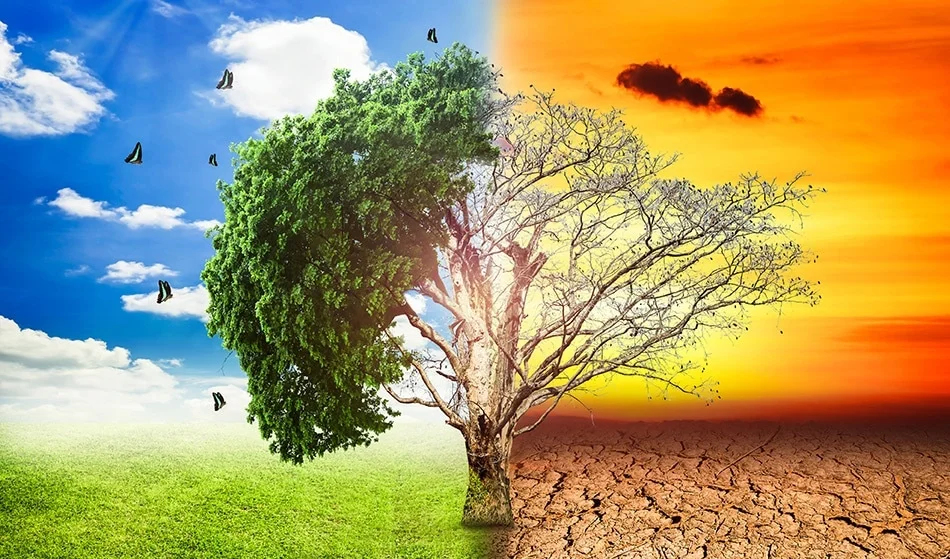
Climate change is not just an environmental issue; it is a global crisis with far-reaching consequences that touch every aspect of human life. The cost of climate change will not be borne by a single entity, but rather, it will be a collective burden shared by all of humanity. However, the most severe impacts will be felt by the poorest and most vulnerable populations worldwide. Addressing this crisis requires a comprehensive understanding of the current situation, future predictions, and the pressing question of who will ultimately bear the greatest burden.
Climate change is no longer a distant threat; it is a present reality. Over the past century, human activities, primarily the burning of fossil fuels and deforestation, have released unprecedented levels of greenhouse gases into the atmosphere. Consequently, the average global temperature has risen by approximately 1 degree Celsius since the pre-industrial era, causing observable changes in weather patterns and ecosystems.
The consequences of this warming are already evident. Extreme weather events, including more frequent and intense heatwaves, droughts, floods, and storms, are disrupting communities and economies worldwide. Rising sea levels threaten coastal regions, displacing millions and destroying valuable infrastructure. Agricultural patterns are shifting, leading to reduced crop yields and potential food shortages. The planet faces mass extinctions of plant and animal species, impacting ecosystems and human livelihoods. Additionally, climate change contributes to conflicts and instability, exacerbating global challenges.
Future projections paint an alarming picture. The Intergovernmental Panel on Climate Change (IPCC) warns that if global warming exceeds 1.5 degrees Celsius above pre-industrial levels, irreversible environmental changes will occur. Vulnerable populations will suffer the most, further amplifying existing inequalities. Economic losses will be severe, affecting industries, jobs, and livelihoods worldwide.
While climate change affects everyone, its heaviest toll falls on the world’s poorest and most vulnerable communities. These individuals already experience the harshest effects of climate change, often in regions that have contributed the least to greenhouse gas emissions. Limited financial resources hinder their ability to adapt to or recover from climate disasters. Inadequate infrastructure increases their susceptibility to climate-related damage. Reduced agricultural productivity and water scarcity threaten food and water security. Forced migration due to climate impacts further exacerbates their vulnerability, and existing social and economic disparities deepen under the weight of climate change.
Addressing climate change requires coordinated efforts at local, national, and global levels. Reducing greenhouse gas emissions through a transition to renewable energy, improved energy efficiency, and sustainable practices is crucial. Investment in resilient infrastructure, including seawalls and flood defenses, can protect vulnerable communities. Global solidarity is essential in providing financial and technical assistance to developing countries, helping them reduce emissions and adapt to climate change. Education and advocacy efforts must be amplified to raise awareness and promote policies that prioritize sustainability.
Climate change is an existential threat that transcends borders and affects all of humanity. While its impacts will be shared collectively, the most vulnerable will suffer disproportionately. The time for action is now. By reducing emissions, building resilience, and fostering global cooperation, we can work toward a sustainable future for our planet and its people.
 BRYMO'S TAKE
Leave a reply to Who Will Bear the Prize for Climate Change? – Brymo's TAKE Cancel reply