
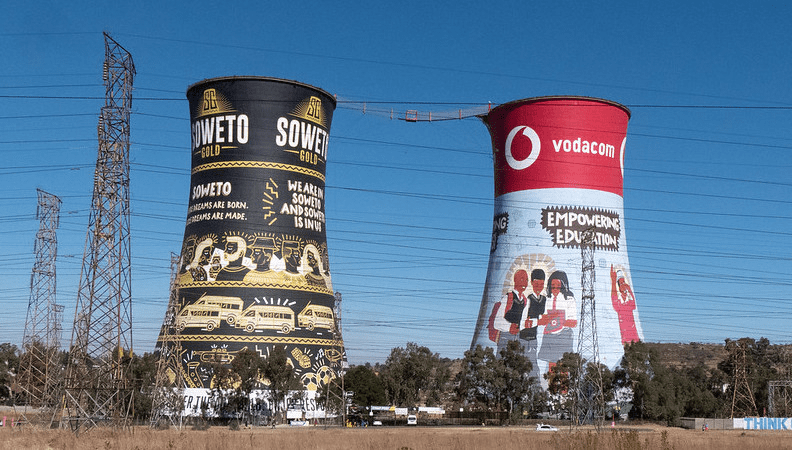
Load shedding is a term that has become all too familiar to the people of South Africa. It refers to a process of rotating power outages that are implemented to prevent the collapse of the national power grid. In recent years, load shedding has become increasingly common in South Africa, causing significant disruptions to daily life and the economy. This article aims to shed light on the causes and consequences of this widespread issue.
Causes of Load Shedding in South Africa
Overreliance on Coal-fired Power Plants: One of the primary reasons behind South Africa’s load shedding problem is its heavy dependence on coal-fired power plants, which account for over 80% of the country’s electricity generation. These aging plants are not only inefficient but are also frequently taken offline for maintenance and repairs, leading to reduced power availability.
Lack of Investment in the Power Grid: Eskom, the state-owned electricity utility, has faced financial challenges and has not invested sufficient funds in maintaining and upgrading the power grid. This lack of investment has resulted in increased outages and equipment failures, further exacerbating the load shedding problem.
Corruption and Mismanagement: Eskom has been plagued by corruption and mismanagement for years. These issues have not only eroded the organization’s financial stability but have also led to a decline in the quality of service provided to consumers.
Increased Demand for Electricity: South Africa’s demand for electricity continues to grow rapidly, driven by industrial expansion and population growth. Unfortunately, the country’s power generation capacity has not kept pace with this rising demand, placing immense strain on the power grid and causing more frequent outages.
Consequences of Load Shedding
The consequences of load shedding in South Africa are far-reaching:
Disruption to Businesses and Industries: Load shedding disrupts the operations of businesses and industries, leading to financial losses and reduced productivity. This not only hampers economic growth but also jeopardizes job security for many South Africans.
Daily Life Challenges: Load shedding makes it challenging for individuals to carry out their daily routines. Frequent power cuts disrupt everything from cooking and heating to using electronic devices and appliances, affecting the quality of life for many citizens.
Social Unrest and Crime: Load shedding contributes to social unrest as frustrated citizens take to the streets to protest the inadequate power supply. Additionally, the reduced visibility during power outages can lead to an increase in crime, further compromising safety and security.
Government Initiatives to Address the Problem
The South African government is actively working to address the load shedding crisis, recognizing the urgent need for solutions:
Investment in New Power Generation: The government is investing in new power generation capacity, with a focus on renewable energy sources such as solar and wind power. This shift towards cleaner energy will not only enhance sustainability but also reduce reliance on coal-fired plants.
Improving the Power Grid: Efforts are underway to improve the efficiency and reliability of the power grid, ensuring that it can handle the increased demand for electricity.
Fighting Corruption: Tackling corruption within Eskom and improving the organization’s governance is a top priority to restore financial stability and enhance service delivery.
Conclusion
Load shedding is a pressing issue in South Africa, stemming from a combination of factors including reliance on coal, underinvestment, corruption, and rising demand for electricity. While the government is taking steps to address these challenges, the road to a stable and efficient power supply will be long and arduous. In the meantime, South Africans must continue to endure the inconvenience and disruptions caused by power outages while hoping for a brighter, more electrified future.
 BRYMO'S TAKE
Leave a reply to Understanding Load Shedding in South Africa: Causes and Consequences – Brymo's TAKE Cancel reply