
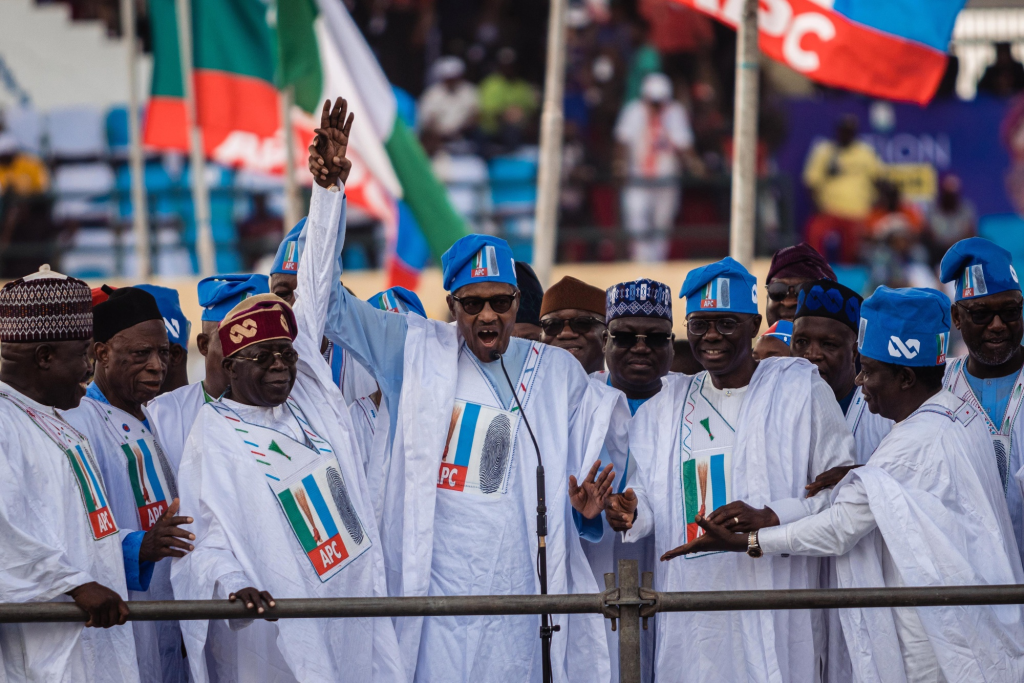
The 2023 Nigerian presidential election sparked a significant debate regarding the potential impact of uploading election results on the IREV (Independent Real-time Election Verification) portal. While it is impossible to say for certain whether this action would have influenced the election’s outcome, there are compelling arguments on both sides of the debate.

2023 presidential election snap sheet. Source: Punch, Nigeria
Pros of Uploading Election Results on IREV Portal
Enhanced Security:
Uploading election results onto the IREV portal would have introduced an additional layer of security. The platform’s public nature would make it more challenging for anyone to tamper with the results discreetly. This heightened transparency could deter potential manipulators, as any alteration attempts would be more likely to be quickly detected.
Public Confidence:
Transparency and accountability are paramount in ensuring public confidence in the electoral process. Uploading results in real-time to the IREV portal would have allowed citizens to access and verify the results independently. This increased transparency could have bolstered public trust in the integrity of the election.
Reduced Risk of Violence:
A perceived lack of fairness and transparency in elections can contribute to post-election violence. Uploading results on the IREV portal could have potentially reduced this risk. When the public believes that an election is conducted fairly, they are less likely to resort to violence if the outcome does not align with their preferences.
Cons of Uploading Election Results on IREV Portal
Timing of Results:
One significant drawback is that the election results were already announced before all results were uploaded onto the IREV portal. This suggests that the election results were not contingent on the portal, making it uncertain whether its use would have influenced the outcome.
Lack of Evidence of Tampering:
There is no concrete evidence to suggest that the election results were tampered with. The Independent National Electoral Commission (INEC) maintained that the results were authentic, and there were no credible allegations of widespread fraud.
Conclusion
In conclusion, it is a complex and contentious issue whether uploading the Nigerian presidential election results on the IREV portal would have affected the election’s outcome. While there are valid arguments in favor of the potential benefits, such as increased security, public confidence, and reduced risk of violence, there are also obstacles, such as the timing of result announcements and the absence of evidence of tampering.
It’s important to note that the 2023 Nigerian presidential election was marred by controversy, with opposition candidates challenging the results in court. As the legal proceedings continue, more insights may emerge regarding the role of the IREV portal in shaping the election’s outcome.
Ultimately, a comprehensive assessment of the portal’s impact requires further research and analysis. Only time and thorough investigation will provide a clearer understanding of whether uploading election results on the IREV portal could have made a significant difference in the 2023 Nigerian presidential election.
 BRYMO'S TAKE
Leave a comment