
Category: Government
-
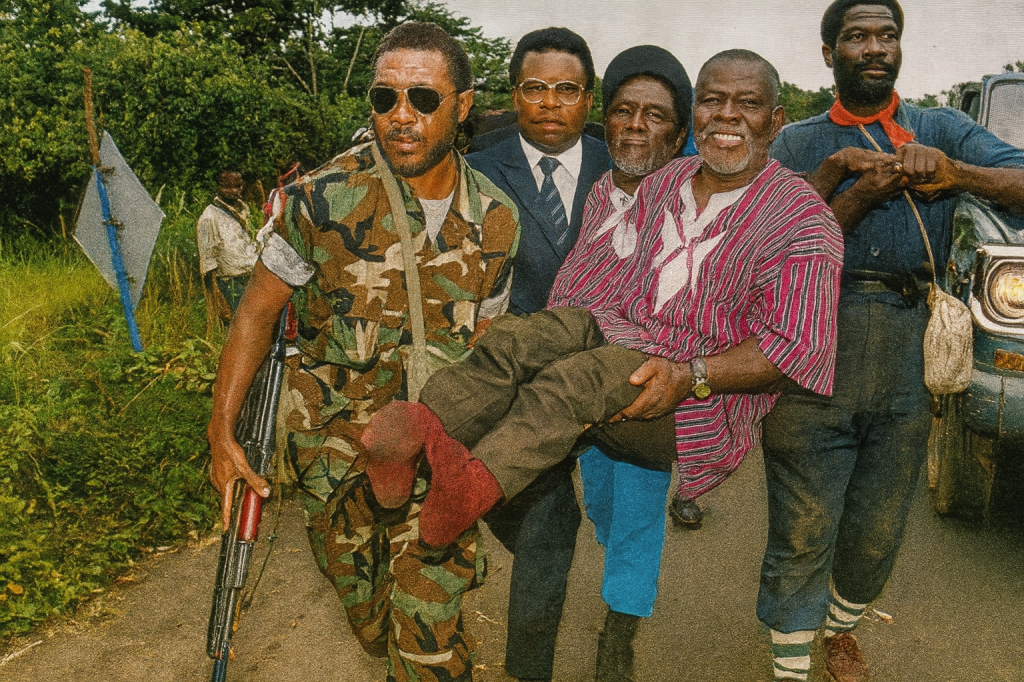
Fault Lines and Shockwaves: Ethnicity, Greed and Regional Fallout in Liberian Wars
The Liberian civil wars were never confined to Liberia alone. Fueled by ethnic tensions, regional rivalries, and the ruthless pursuit of profit, the wars spilled across borders and entangled neighboring countries in a deadly network of arms, diamonds, and political intrigue. From Ivorian complicity in the war’s origins to Taylor’s…
-
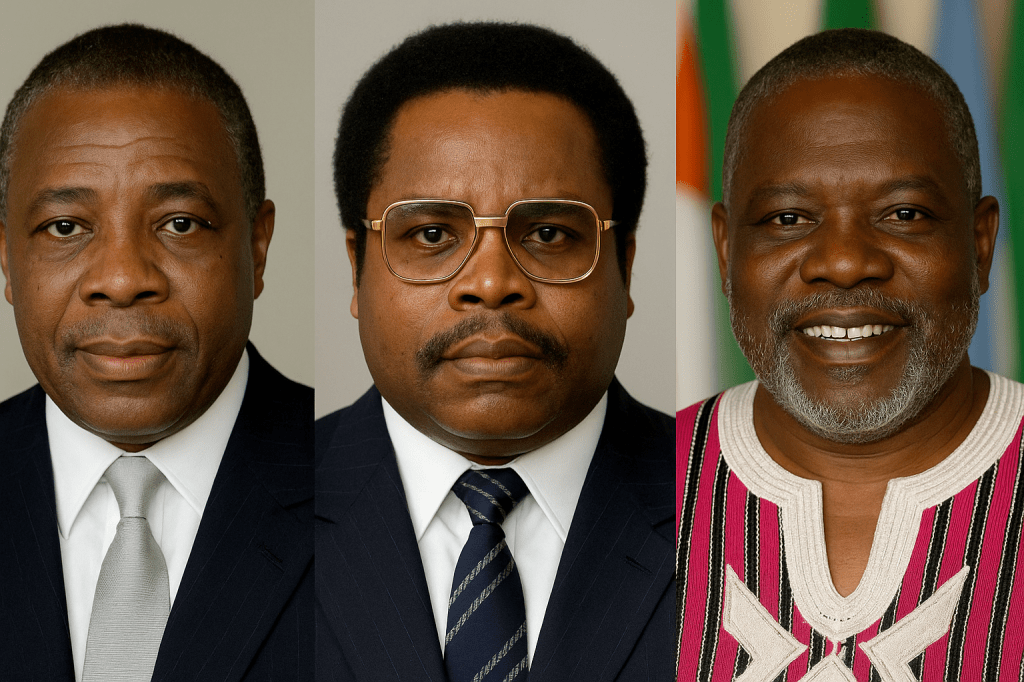
Power and Betrayal: How Taylor, Doe and Johnson Drove Liberia into War
In the crucible of Liberia’s descent into civil war, three names loom large: Charles Taylor, Samuel Doe, and Prince Johnson. What began as a coup in 1980 spiraled into a bloody saga of revenge, betrayal, and personal ambition. Each man claimed to act for the nation—but their thirst for power,…
-
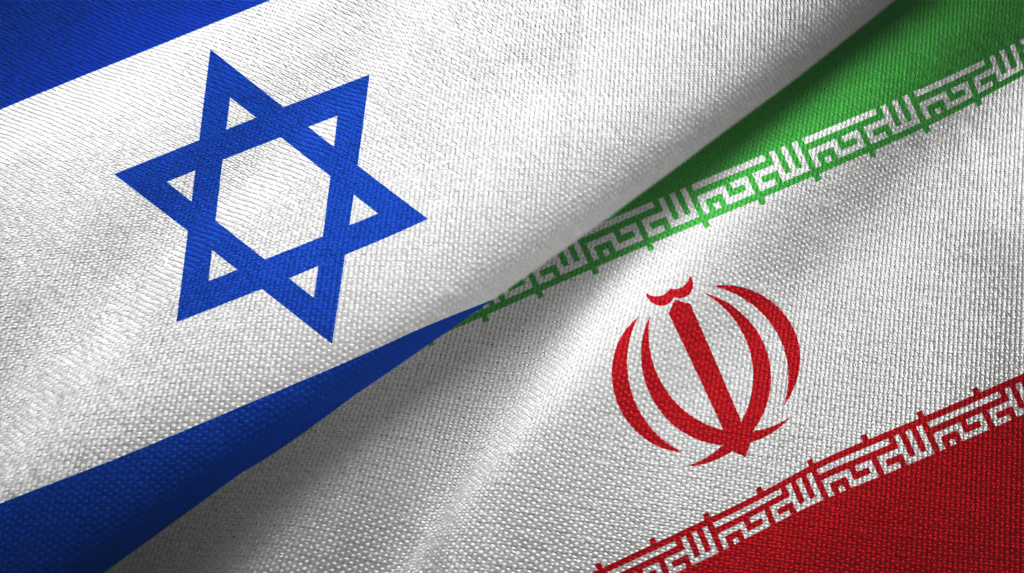
Middle East Conflicts and Their Impacts on Africa
As geopolitical tensions rise in the Middle East, African nations face indirect but significant consequences. This article explores how global conflicts—while physically distant—can impact Africa through economic volatility, disrupted trade routes, and diplomatic considerations. It examines the varied responses across the continent, highlights key areas of vulnerability, and outlines practical…
-

Cape Republic: Could Africa Soon Welcome Its Newest Country?
As discontent with national governance grows, a rising chorus in South Africa’s Western Cape is calling for independence. Advocates argue that decades of mismanagement, high unemployment, and systemic inequality have left the province economically stifled and politically marginalized. While supporters envision a prosperous, self-governed state free from ANC control, critics…
-
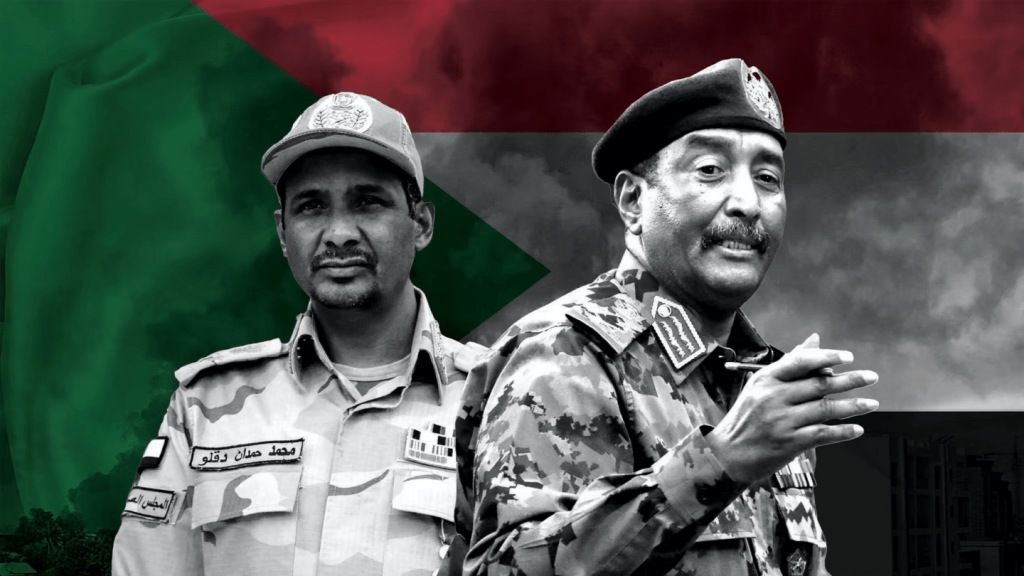
Sudan’s Civil War: How a Dream for Democracy Turned into a Humanitarian Nightmare
Sudan’s dream for democracy has crumbled into one of the world’s worst humanitarian crises. Once united by hope after the fall of dictator Omar al-Bashir, the nation is now torn apart by a brutal civil war between rival generals. Over 12 million people have been displaced, famine grips entire regions,…
-
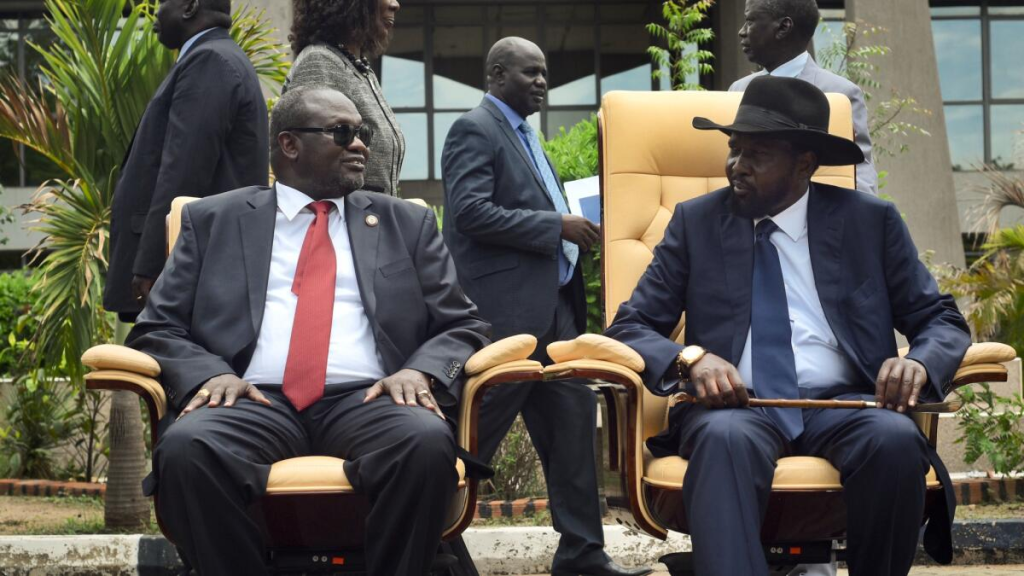
South Sudan: A Dream of Freedom Trapped in Endless Conflict
South Sudan’s independence in 2011 was hailed as a rare triumph of self-determination. Yet, beneath the celebrations lay deep-seated ethnic divisions, fragile governance, and a dangerous reliance on oil wealth. Within just two years, political rivalry between President Salva Kiir and Vice President Riek Machar erupted into a brutal civil…
-
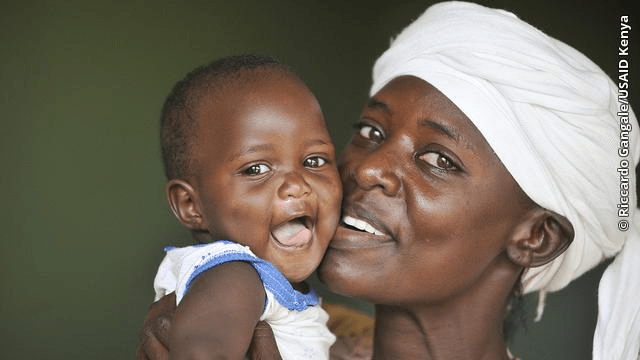
Urgent Need for African Self-Reliance in Healthcare and Development
For decades, Africa has relied on international aid to support its healthcare and development sectors. However, the recent suspension of U.S. foreign aid has exposed the vulnerabilities of this dependency, disrupting life-saving programs and leaving millions at risk. As HIV treatment clinics close and humanitarian organizations struggle to maintain operations,…
-
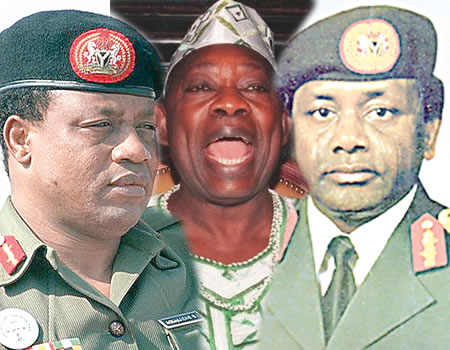
IBB, June 12, and Nigeria’s History: Truth or Revisionism?
The annulment of the June 12 election plunged Nigeria into chaos, triggering widespread protests and a brutal military crackdown. In Journey in Service, Babangida acknowledges Abiola’s victory but distances himself from the decision to annul the election, claiming security concerns and pressure from political elites. However, critics see this as…
-
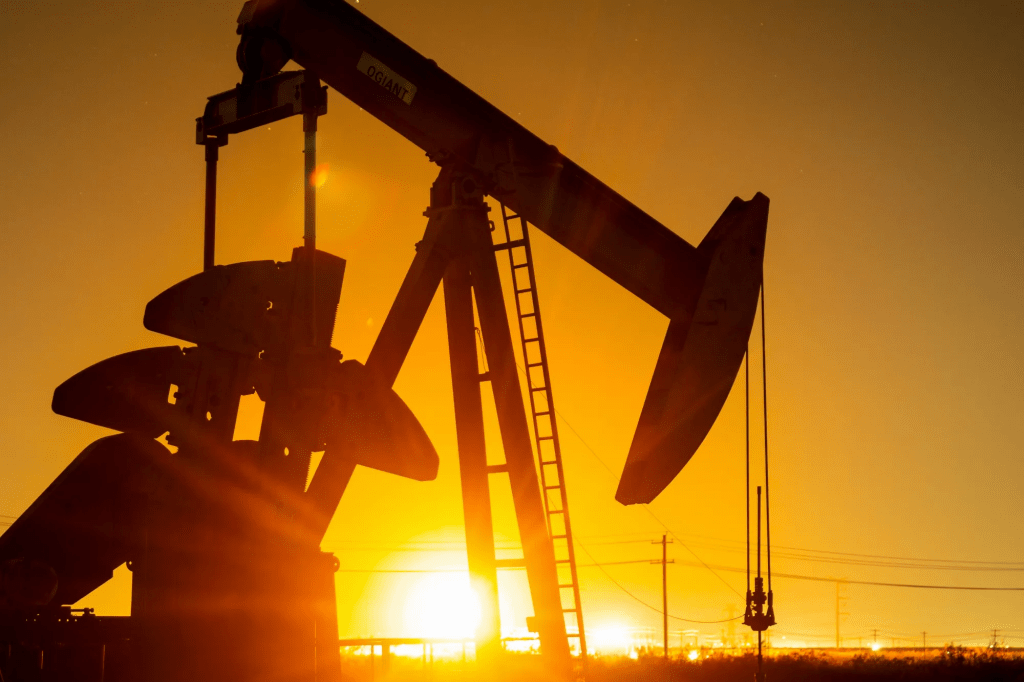
U.S. Oil Industry: Production, Dependence, and Global Impact
The United States stands as the world’s largest oil producer, yet its energy landscape is marked by paradoxes. Producing 21 million barrels per day, the country still imports oil due to refining limitations and economic strategies. While leading in output, the U.S. ranks 11th in global reserves, far behind nations…
-
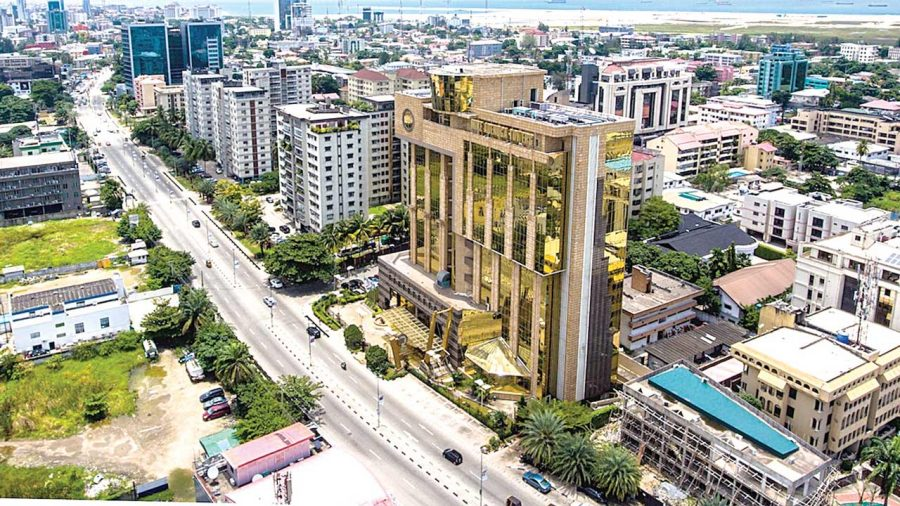
World Bank: Nigeria Retains Its Position as Africa’s Largest Economy
Nigeria continues to hold its position as Africa’s largest economy, reaffirmed by the latest World Bank report. Despite facing inflation, currency fluctuations, and investment hurdles, the country’s vast population, resource wealth, and booming digital economy provide a strong foundation for growth. Foreign investments, particularly in telecommunications and infrastructure, are driving…
-
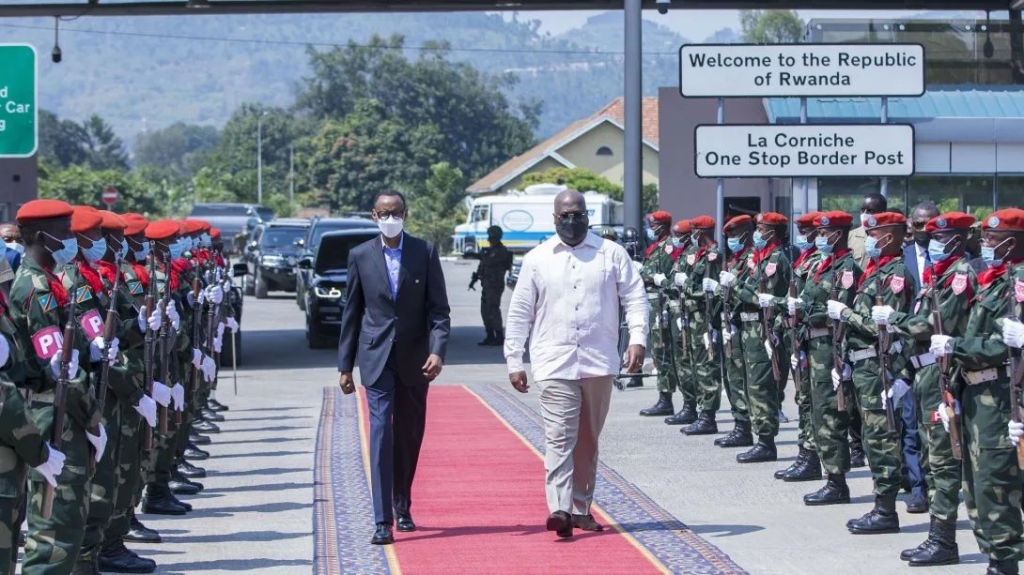
Rwanda’s Hidden Agenda in the DRC Conflict
The Democratic Republic of Congo (DRC) is once again at the center of a brutal conflict, with the resurgence of the M23 rebel group in early 2025 reigniting tensions in the region. As accusations of Rwanda’s involvement mount, the crisis deepens, exposing a complex web of historical grievances, economic ambitions,…
-
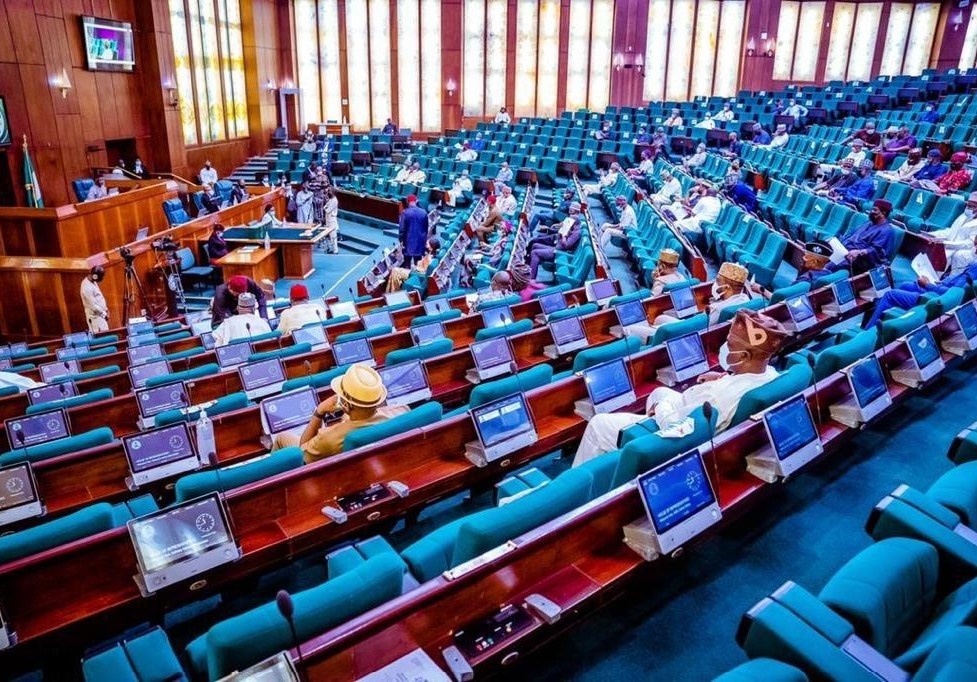
Nigeria Parliament Rejects Bill to Expand Islamic Law in Nigeria’s Constitution
In a recent session, Nigeria’s House of Representatives voted down a bill that sought to amend the 1999 Constitution by expanding the scope of Islamic law beyond personal matters. Sponsored by Aliyu Misau, a representative from Bauchi State, the bill proposed to remove the term “personal” from several constitutional sections,…
-

Policing in Nigeria: Lessons from the American System
Nigeria’s policing system faces numerous challenges, including ineffective crime investigation and prosecution. These issues often result in criminals going unpunished due to lack of evidence or inadequate prosecution efforts. Some Nigerians believe that establishing state (sub-national) police forces could solve these problems. However, my experience in the United States has…
-
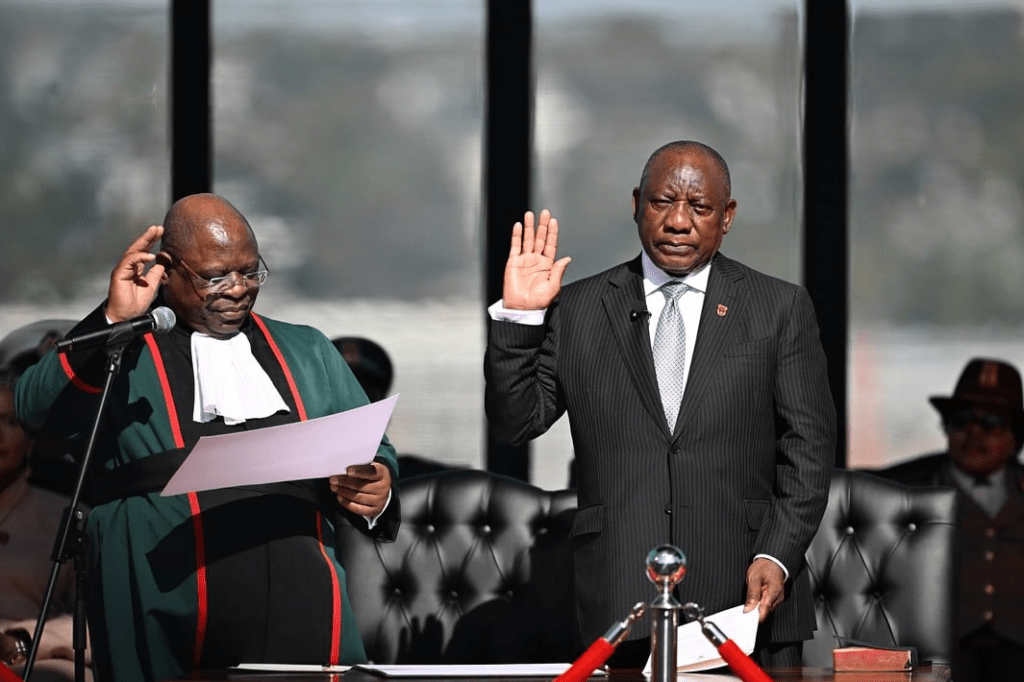
ANC, DA, and IFP Coalition in South Africa: A New Era Under Ramaphosa
Yesterday 19th June 2024, Cyril Ramaphosa was sworn in once again as President of South Africa, but this time under a unique political landscape. For the first time in the nation’s democratic history, the African National Congress (ANC), Democratic Alliance (DA), and Inkatha Freedom Party (IFP) have formed a coalition…
-
Path to State Police in Nigeria: Learning from History and Global Models
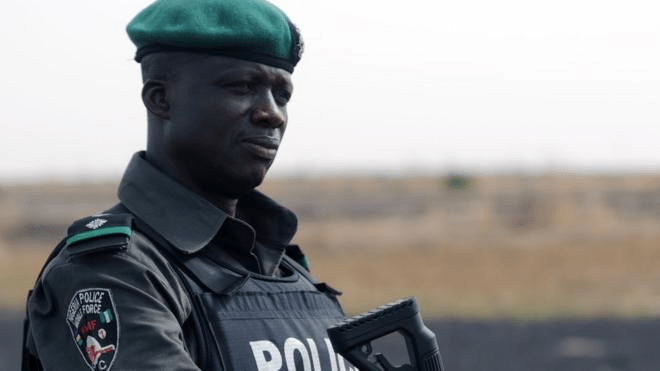
The concept of state police in Nigeria has traversed a tumultuous journey through history, reflecting a nation grappling with its various challenges and aspirations. From pre-colonial traditions to modern-day debates, the narrative of policing in Nigeria is multi-layered, marked by a quest for efficiency, accountability, and responsiveness to local needs.…
-
Leadership in Africa: Dictators and Visionaries
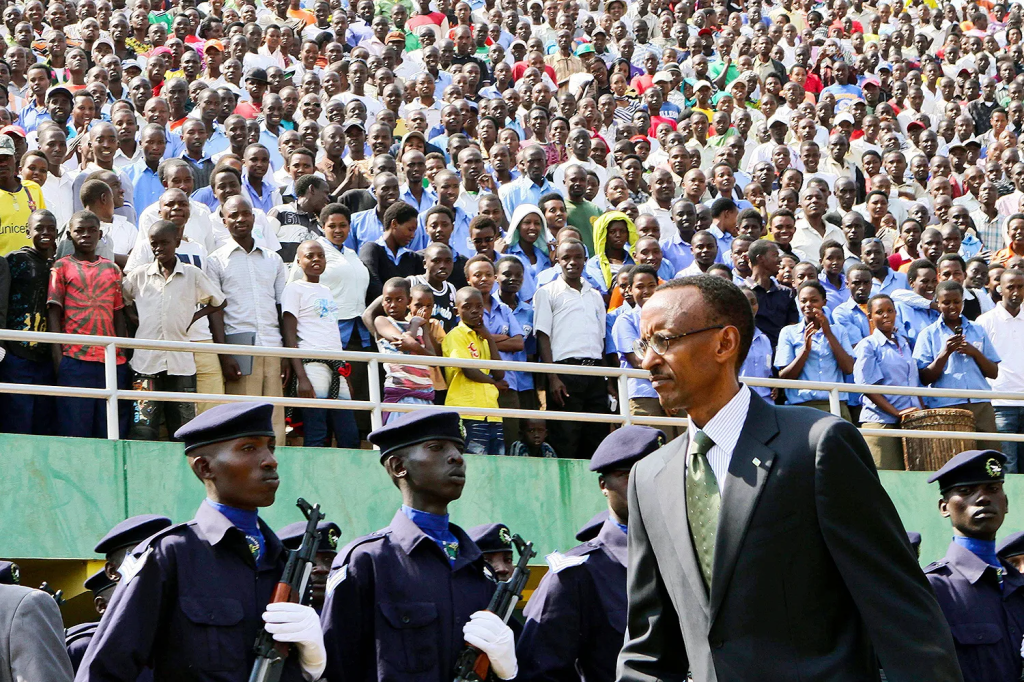
In leadership, two contrasting models often emerge: the dictator and the visionary. As I search my leadership class notes, I have been confronted with the complexities surrounding these roles and their implications, particularly in the context of Africa’s socio-political landscape. In this discourse, we will explore the essence of dictators…
-

Haiti’s Gang Violence and Kenya Led Multi-National Policing
Haiti, a nation plagued by political turmoil, economic struggles, and societal unrest, has become a breeding ground for rampant gang violence. The assassination of President Jovenel Moïse in 2021 further exacerbated the situation, leaving a significant power vacuum and emboldening criminal elements. In 2023, the United Nations took a significant…
-
Zimbabwe’s Currency: History and Uncertain Future
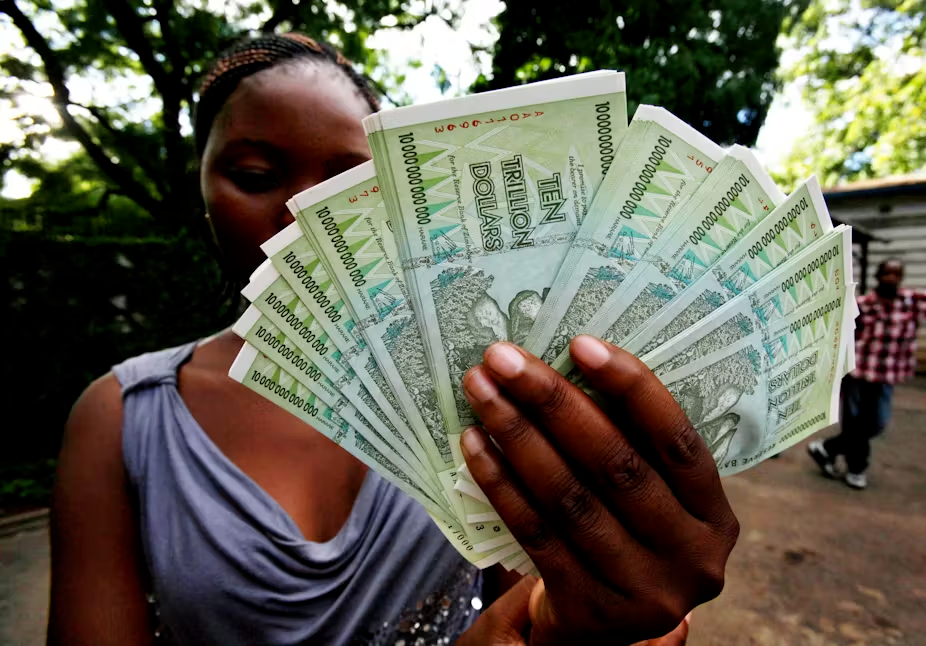
Imagine prices doubling or tripling within hours. That’s the grim reality Zimbabwe faced in 2008, a country grappling with the world’s highest hyperinflation (a staggering 79 billion percent!) and a collapsing currency. But how did this once-promising nation end up with a seemingly worthless piece of paper in its wallet?…
-

Nigerian Gun Debate and Right to Self-Defense
The recent spate of violent attacks in Nigeria’s northern regions has reignited a crucial debate: should Nigerians be allowed to bear arms for self-defense? This complex issue demands a nuanced examination, considering the realities of violence, mental health, and existing legal frameworks.
-
January 15, 1966 Coup in Nigeria and Ethnic Dynamics
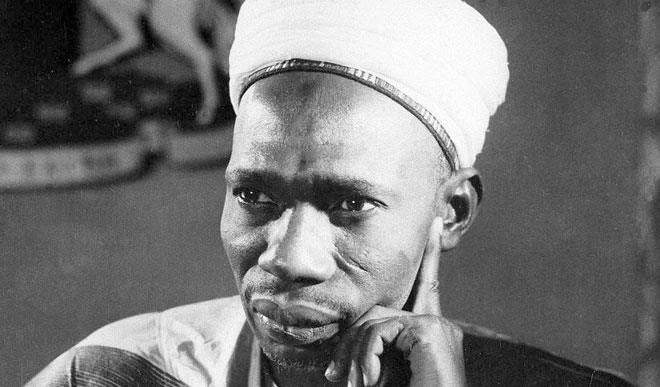
The January 15, 1966 coup in Nigeria remains a highly contentious and debated event in the country’s history. At the heart of the controversy is the question of whether it was an “Igbo coup” or a more complex and multifaceted occurrence. This article explores the arguments on both sides of…
 BRYMO'S TAKE