
Category: Finance
-
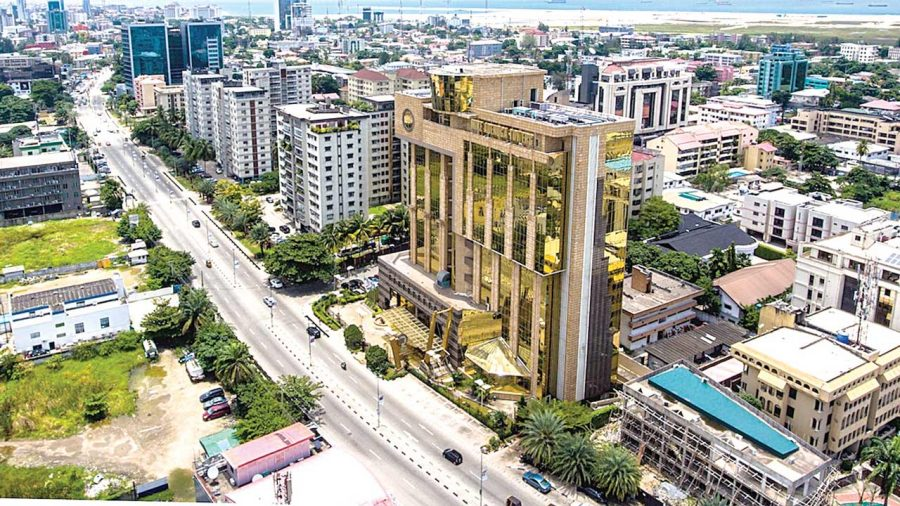
World Bank: Nigeria Retains Its Position as Africa’s Largest Economy
Nigeria continues to hold its position as Africa’s largest economy, reaffirmed by the latest World Bank report. Despite facing inflation, currency fluctuations, and investment hurdles, the country’s vast population, resource wealth, and booming digital economy provide a strong foundation for growth. Foreign investments, particularly in telecommunications and infrastructure, are driving…
-

Kenya Protest 2024: A Turning Point for Fiscal Policy and Civic Engagement
Kenya’s 2024 protests, centered around the controversial Finance Bill, have drawn international attention due to their intensity and broad socio-economic implications. The protests were sparked by the Kenyan government’s proposal of the Finance Bill 2024, which included significant tax hikes aimed at increasing the tax-to-GDP ratio from 13.5% to 20%…
-
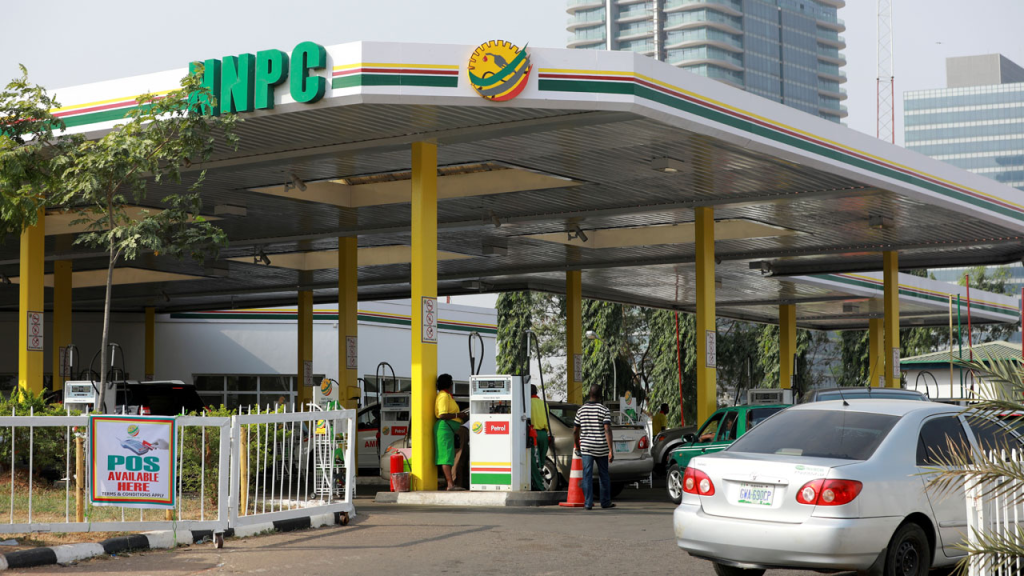
Nigeria at a Crossroads: Subsidy and Exchange Rate
Nigeria’s new president, Bola Tinubu, has made bold moves by scrapping the fuel subsidy and unifying the exchange rates. These policies, while applauded by some economists, have sparked heated debate across the nation. So, is Nigeria on the right track? Should citizens simply trust the government and endure the short-term…
-
Communism: Utopia or Dystopia?
Communism, a socio-economic system aiming for a classless society with common ownership, has sparked fiery debates throughout history. While some hail it as a path to equality and social justice, others condemn it for its authoritarian tendencies and economic shortcomings. So, what exactly is communism, and why has it caused…
-
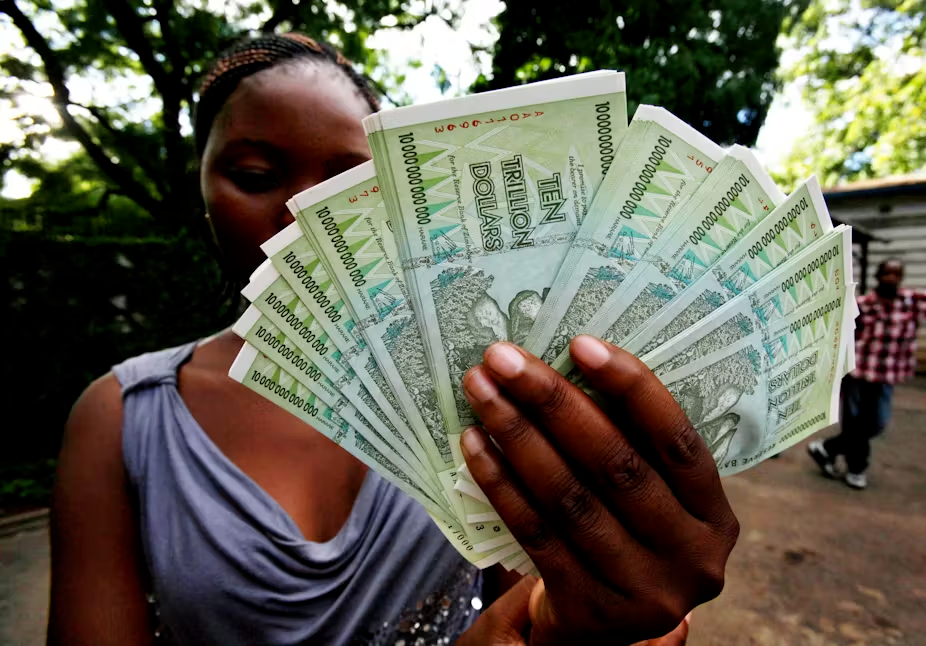
Zimbabwe’s Currency: History and Uncertain Future
Imagine prices doubling or tripling within hours. That’s the grim reality Zimbabwe faced in 2008, a country grappling with the world’s highest hyperinflation (a staggering 79 billion percent!) and a collapsing currency. But how did this once-promising nation end up with a seemingly worthless piece of paper in its wallet?…
-

Why Nigerians Can’t Fully Embrace PayPal and What Can Be Done
Nigeria’s financial tango with PayPal has left many pondering the limitations on receiving money. Regulations, infrastructure gaps, and fraud concerns are at play. While Nigeria is striving to modernize its financial landscape and address fraud, collaboration between stakeholders is key. Ensuring equal access to the global market is imperative for…
-
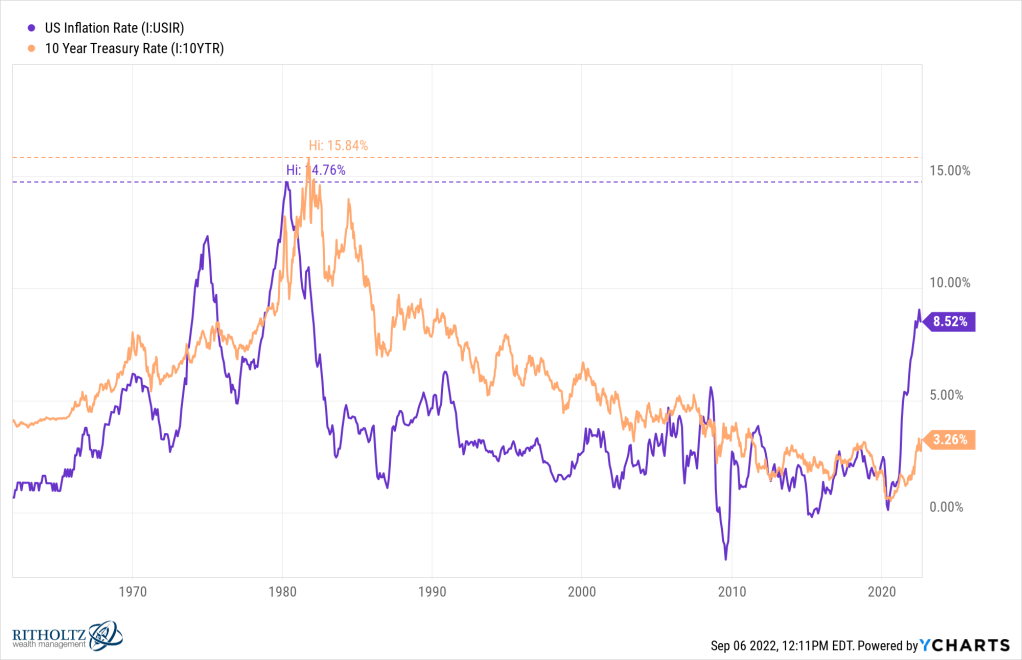
Why Do Interest Rates Go Up When Prices Do?
Central banks, like the US Federal Reserve, aim to maintain stable prices and employment. When inflation rises, they raise interest rates to reduce borrowing and spending, curbing inflation. However, this can also slow economic growth and lead to higher unemployment. It’s a delicate balance, but crucial for a healthy economy.
-
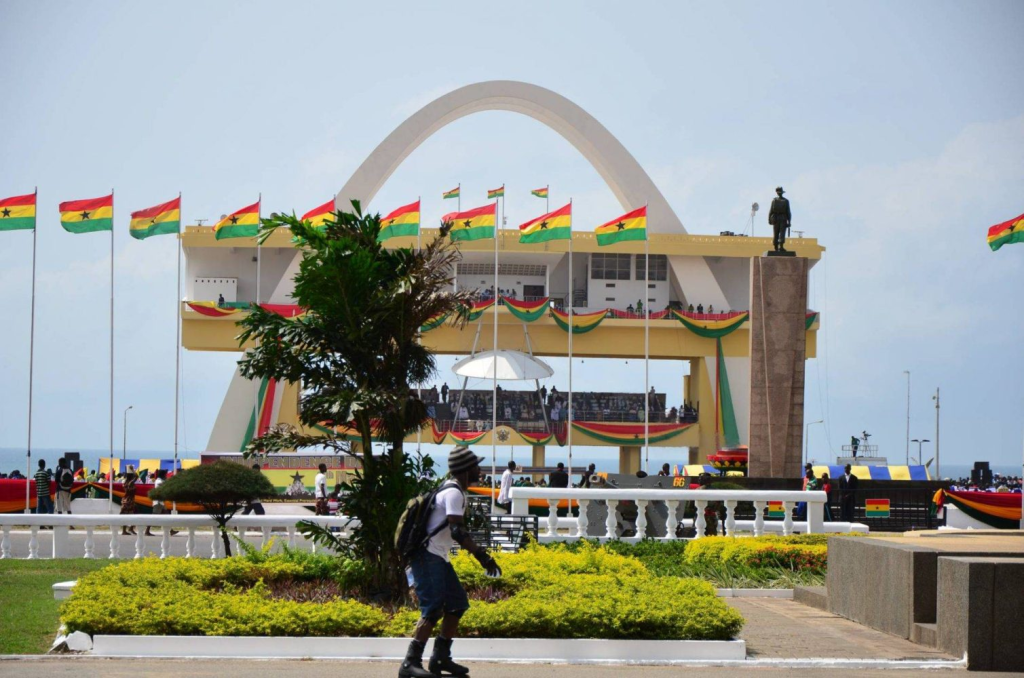
Ghana’s Economic Challenges: IMF Loans and Oil Discoveries
Ghana, a lower-middle-income country with a population of over 32 million people, is often heralded as one of the fastest-growing economies in Africa. However, this narrative is tempered by a series of economic challenges that the nation faces. In this article, we will delve into the key issues confronting Ghana’s…
-
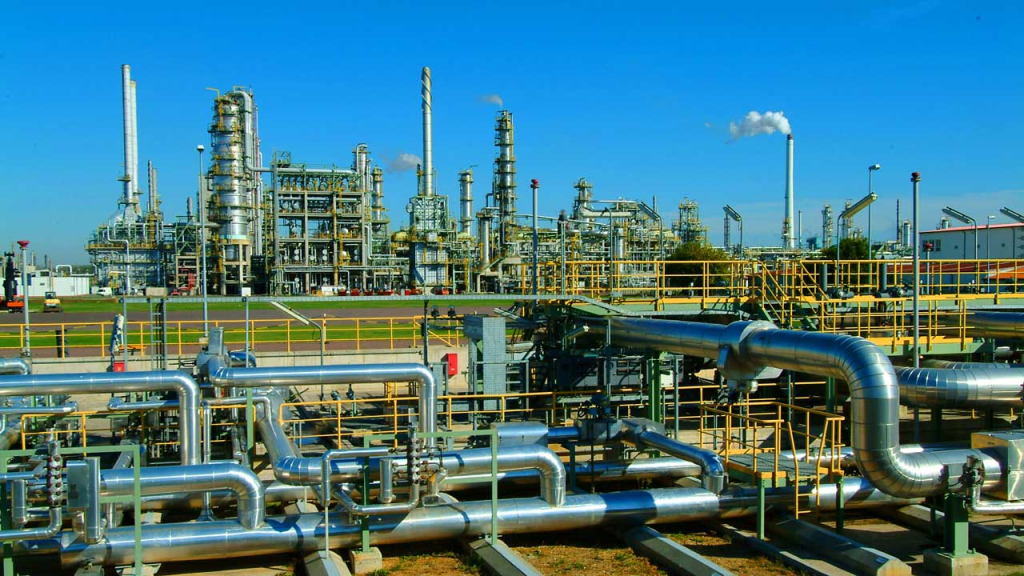
Nigerian Modular Refineries: Game-Changers for Oil and Gas
Nigeria, often referred to as the “Giant of Africa,” is a nation with vast oil reserves. However, this valuable resource has long been marred by issues of oil theft, pipeline vandalism, and a lack of refining capacity. In recent years, Nigeria has been exploring the potential of modular refineries as…
-
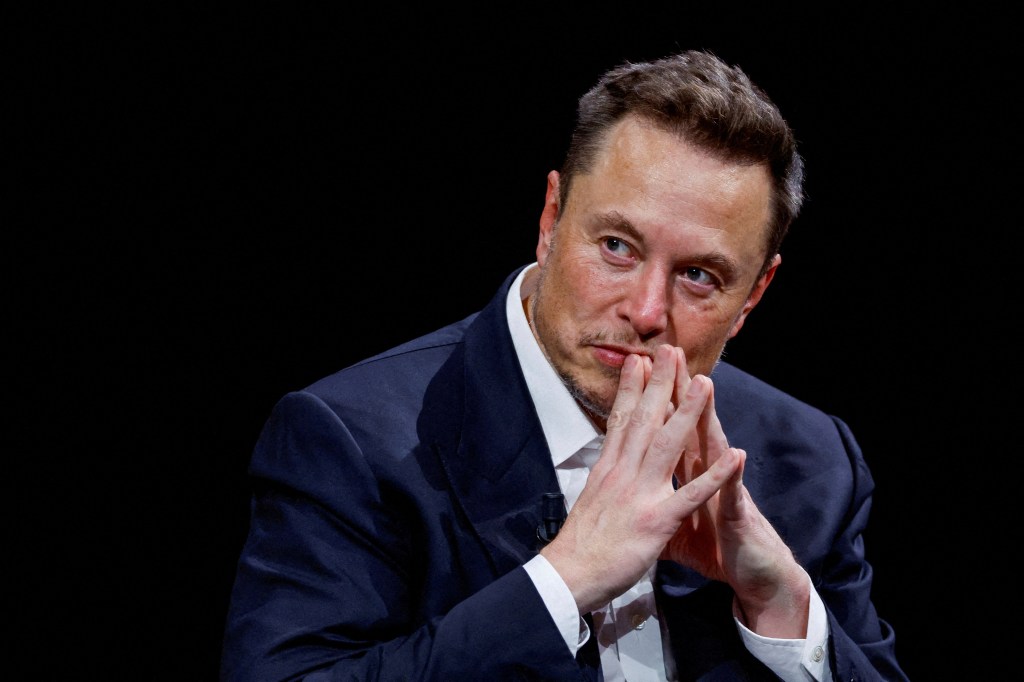
Elon Musk’s X Acquisition: Risky Gamble or Stroke of Genius?
Whether Elon Musk made a sensible and brilliant decision to buy Twitter (now called X) is a matter of opinion. There are pros and cons to his decision, and it is too early to say definitively whether it will be a success. In this article, we will explore both sides…
-
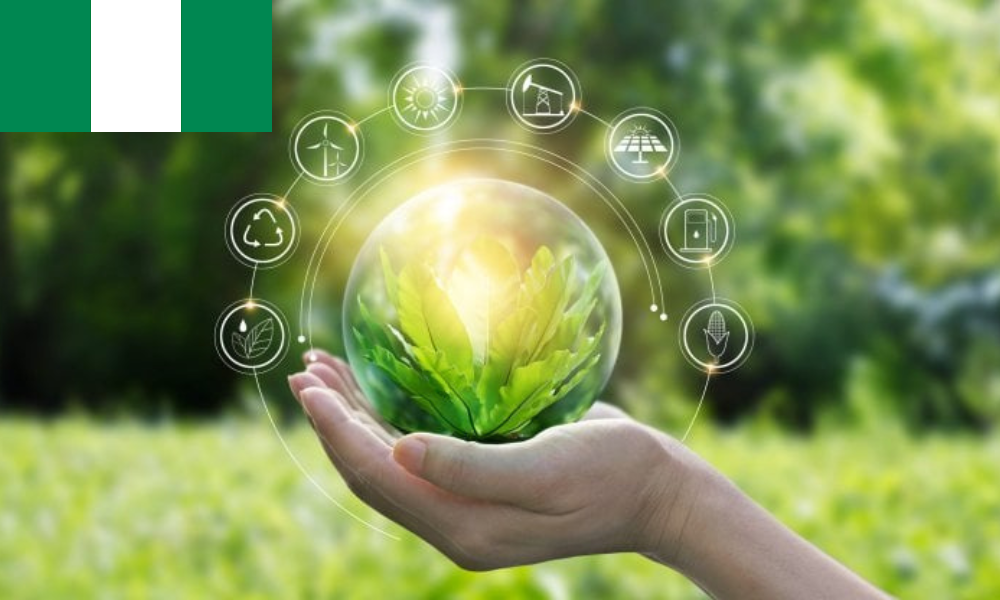
Transition to a Green Economy: Nigeria’s Opportunities and Challenges
The global shift towards a green economy is reshaping the economic landscape, and countries like Nigeria, heavily reliant on the oil and gas sector, face both challenges and opportunities in this transition. This article explores the potential impacts and benefits of a green economy for Nigeria and outlines key steps…
-
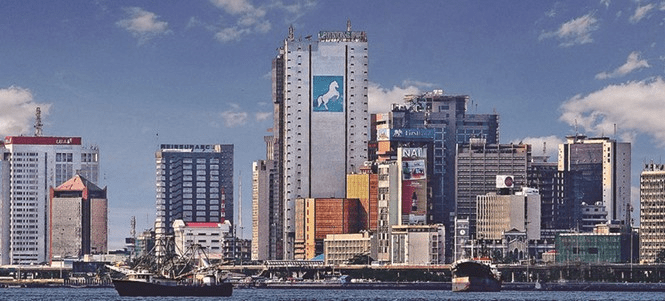
Fintech Boom in Nigeria: Opportunities for Nigerian Youths
In 2021, Nigeria emerged as a powerhouse in Africa’s fintech landscape, with its fintech startups raising an astounding $1.4 billion in funding. This figure accounted for more than half of the total funding secured by African fintech startups during the same year. The rapid growth of Nigeria’s fintech sector can…
 BRYMO'S TAKE