
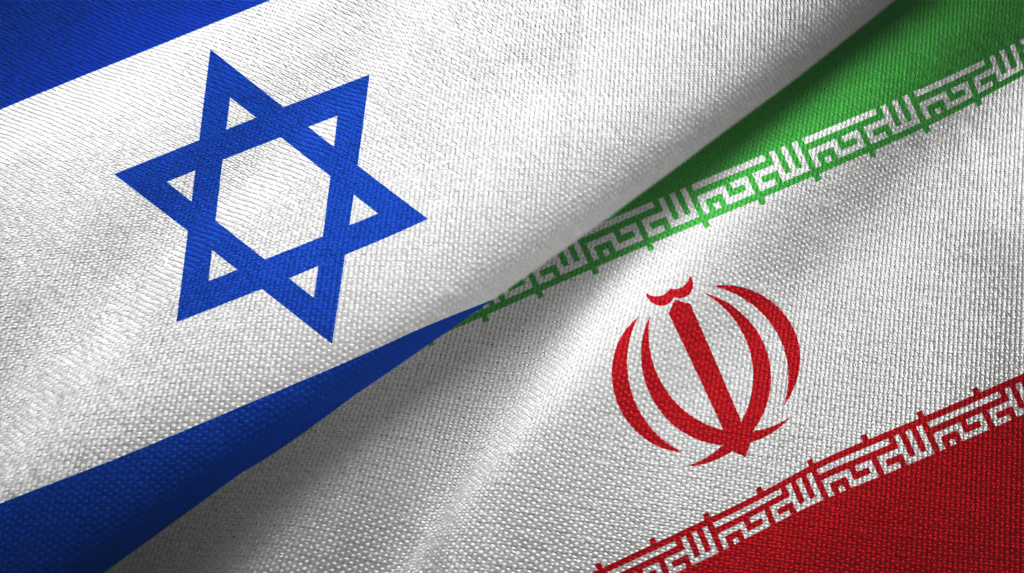
As tensions between Iran and Israel continue to escalate, with the exchange of missile strikes and mounting global concern, Africa finds itself in a precarious observer’s seat. While the conflict is geographically distant, its ripple effects are impossible to ignore. Across diplomatic channels, trade routes, commodity markets, and security landscapes, Africa must assess its vulnerabilities, opportunities, and the necessary responses to safeguard regional stability and economic resilience.
1. Limited Direct Impact – But That Doesn’t Mean Irrelevance
At face value, the Iran-Israel conflict appears to have minimal direct impact on the African continent. Diplomatic and economic ties between Africa and the two nations are relatively shallow. Iran maintains only a handful of embassies in East Africa and the Sahel, primarily leveraging religious and cultural influence rather than economic partnerships. Israel, while having formal diplomatic relations with over 40 African countries, lacks a cohesive Africa policy and invests cautiously across the region.
This limited presence suggests that African states are unlikely to become direct players in the unfolding crisis. However, in today’s interconnected world, no region remains untouched by geopolitical upheaval, particularly when global economic levers and security dynamics are at stake.
2. Global Spillovers: What Africa Should Monitor Closely
a) Energy and Commodity Markets Volatility in the oil and gas markets is a near-immediate outcome of Middle Eastern conflicts. As global prices fluctuate due to instability in key production and transit areas, African countries that rely heavily on imported petroleum products—such as Ghana, Kenya, and Senegal—may face increased fuel costs, budgetary stress, and inflationary pressures.
Interestingly, some African oil producers, particularly in West Africa (e.g., Nigeria and Angola), could benefit from a temporary increase in demand or price surges. Still, the balance is fragile, as price shocks can harm broader import-reliant sectors.
b) Maritime Trade and Shipping Routes Red Sea insecurity, particularly due to Houthi-aligned disruptions, could divert global shipping traffic around the Cape of Good Hope. This shift, while possibly boosting South African port activity, would also raise freight insurance costs, delay cargo, and affect East and Southern African supply chains. For countries dependent on imports via the Suez Canal, logistics challenges may further strain already fragile trade systems.
c) Security Spillovers Although unlikely, the risk of proxy conflicts spreading into African territories remains. Iran has previously shown interest in regions like Sudan, and escalating tensions could encourage more assertive foreign posturing. Furthermore, fragile states battling insurgency, such as Somalia or the Sahel nations, might experience increased ideological or material support for extremist actors under the banner of global grievance.
3. African Responses: A Spectrum from Silence to Condemnation
Reactions across the continent vary widely. The African Union released a general statement urging restraint and de-escalation. South Africa, Sudan, and Mauritania issued strong condemnations of Israel’s airstrikes, while countries like Nigeria, Namibia, and Senegal called for peace and warned of international law violations. Ghana took one of the boldest steps by closing its embassy in Tehran and evacuating its citizens, citing rising oil prices and safety concerns.
Many African nations have chosen to remain silent, likely balancing diplomatic caution with domestic priorities. Countries with strong partnerships with Israel—such as Morocco, Ethiopia, and Rwanda—have maintained neutrality, choosing strategic silence to preserve existing cooperation agreements.
4. Civilian Voices: A Reminder of the Human Cost
The war’s impact isn’t only felt in embassies or trade routes. African migrants living in Israel, like Tonton Amisi Kalupa from the DRC, are caught in the crossfire. Having fled violence at home, many now find themselves experiencing renewed trauma. Kalupa’s reflection—“We fled the DRC war, now we’re in a bigger one”—underscores the universality of war’s toll and the urgent need for diplomatic resolutions that prioritize civilian safety.
5. What Africa Should Do Now
- Strengthen Diplomatic Coordination: African nations should use regional platforms like the African Union and ECOWAS to issue unified calls for de-escalation and peaceful resolution.
- Prepare for Economic Shocks: Ministries of Finance and Energy must model scenarios for rising fuel and food prices and prepare appropriate buffers or subsidies.
- Secure Maritime and Trade Corridors: Countries with coastal ports should review and reinforce security and logistics plans to adapt to possible rerouted shipping.
- Protect Vulnerable Populations: Governments must be proactive in reaching out to citizens abroad and formulating rapid response plans for evacuations if required.
Conclusion
Though Africa is not at the center of the Iran-Israel conflict, it would be short-sighted to assume immunity. In a globalized system, where energy prices, shipping routes, diplomacy, and human displacement intersect, African nations must remain vigilant, coordinated, and proactive. This moment calls not for fear, but for foresight and preparedness.
 BRYMO'S TAKE
Leave a comment