
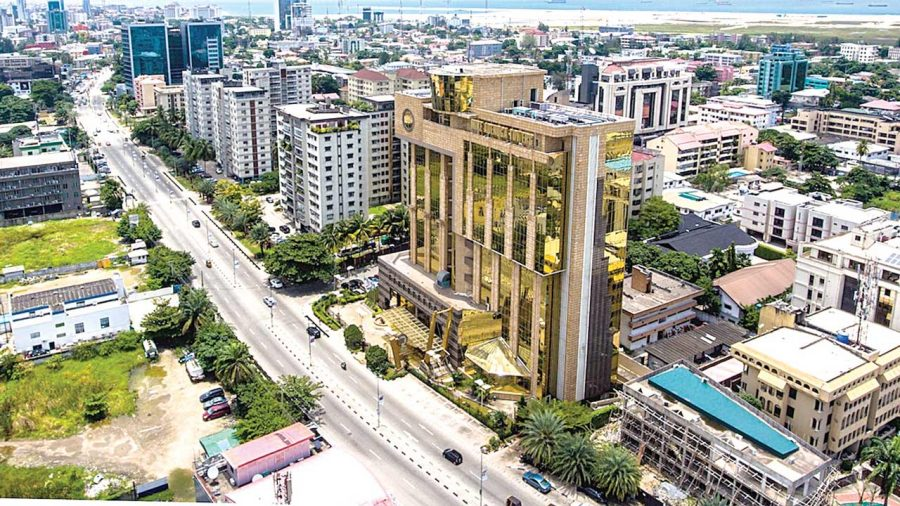
Nigeria continues to hold its position as Africa’s largest economy, despite facing numerous economic challenges. The latest report from the World Bank reaffirms this status, highlighting the country’s economic resilience, growing sectors, and the hurdles that need to be addressed to maintain its lead. While inflation, currency fluctuations, and the rising cost of living remain pressing concerns, Nigeria’s vast population, abundant natural resources, and expanding digital economy provide a strong foundation for long-term growth.
Foreign investments play a crucial role in Nigeria’s economic landscape. While the country attracts substantial foreign portfolio investments (FPI), which contribute to financial market liquidity, it struggles to secure significant foreign direct investment (FDI). Unlike FPI, which is often short-term and volatile, FDI drives sustainable growth by fostering industrial development, infrastructure expansion, and job creation. Investors, however, continue to face bureaucratic bottlenecks, inconsistent regulatory policies, and security concerns, which discourage long-term commitments. Nigeria must enhance its ease of doing business to remain competitive against other African nations like Ghana, Rwanda, Botswana, and South Africa, which are aggressively attracting global investors.
One of the key areas of focus for the Nigerian government has been addressing foreign exchange liquidity issues. Over the past few years, businesses and international organizations, particularly airlines, have struggled with foreign exchange backlogs, affecting operations and confidence in the Nigerian market. Efforts to clear these backlogs and improve FX liquidity have been implemented to boost investor confidence and facilitate smoother financial transactions. A more stable and predictable exchange rate would further encourage both local and international businesses to expand their presence in Nigeria.
Nigeria’s telecommunications sector has emerged as a major driver of economic growth, generating approximately ₦5.7 trillion ($7 billion) in 2024 alone. This growth is fueled by increasing mobile penetration, expanding internet connectivity, and a thriving fintech ecosystem. With the rise of digital banking, e-commerce, and online services, the telecommunications industry has become a crucial pillar of Nigeria’s economy. However, sustaining this momentum will require continuous investment in broadband infrastructure, cybersecurity, and regulatory frameworks that support innovation and competition.
Agriculture remains a key sector, providing employment for millions of Nigerians and contributing significantly to GDP. Despite its potential, the sector faces persistent challenges such as outdated farming methods, inadequate storage facilities, and climate-related disruptions. With strategic investments in mechanization, agritech solutions, and improved supply chain management, agriculture could become a leading force in Nigeria’s economic diversification efforts. Enhancing food production and processing capabilities will not only strengthen domestic food security but also position Nigeria as a key exporter in regional and global agricultural markets.
Infrastructure development is another crucial aspect of Nigeria’s economic growth strategy. Major projects such as the Lagos-Calabar coastal road and railway expansions are expected to improve connectivity, reduce logistics costs, and boost commercial activity. Efficient transportation networks are essential for enabling businesses to thrive, facilitating trade, and integrating rural economies into larger market systems. Additionally, ongoing tax reforms and policy adjustments aim to create a more business-friendly environment that attracts investments and fosters sustainable development.
Despite the economic potential, doing business in Nigeria remains a complex process. Investors frequently encounter bureaucratic red tape, excessive paperwork, and corruption-related demands, which slow down business establishment and expansion. Addressing these inefficiencies through digitalized processes, regulatory reforms, and transparency initiatives will be critical in enhancing Nigeria’s attractiveness as an investment destination. Simplifying business registration, reducing regulatory burdens, and ensuring policy consistency can significantly improve investor confidence and spur economic activities.
Nigeria’s global economic positioning is largely influenced by its massive population of over 230 million people. This demographic advantage presents a huge consumer market and a vast workforce, making Nigeria an appealing destination for multinational corporations and entrepreneurs. The growing number of small and medium enterprises (SMEs) also plays a vital role in economic diversification, driving innovation and job creation. Learning from the success of economies like China, where SMEs have been instrumental in industrialization, Nigeria can harness its entrepreneurial spirit to foster sustainable growth.
To fully realize its economic potential and secure its place as a global economic powerhouse, Nigeria must prioritize macroeconomic stability, industrialization, education reform, and technological advancements. Investments in human capital development, particularly in science, technology, engineering, and mathematics (STEM) education, will ensure a skilled workforce capable of driving innovation and productivity. Additionally, addressing security concerns, ensuring reliable power supply, and creating policies that encourage local manufacturing will further strengthen Nigeria’s economic foundation.
Nigeria’s position as Africa’s largest economy is a testament to its resilience and potential. However, maintaining this status requires continuous reforms, strategic investments, and an enabling business environment that fosters long-term growth. By tackling bureaucratic inefficiencies, improving infrastructure, and leveraging its vast resources effectively, Nigeria can unlock new economic opportunities and solidify its role as a leading global economic force. The future of Nigeria’s economy lies in its ability to embrace change, attract sustainable investments, and implement policies that drive inclusive growth.
 BRYMO'S TAKE
Leave a comment