
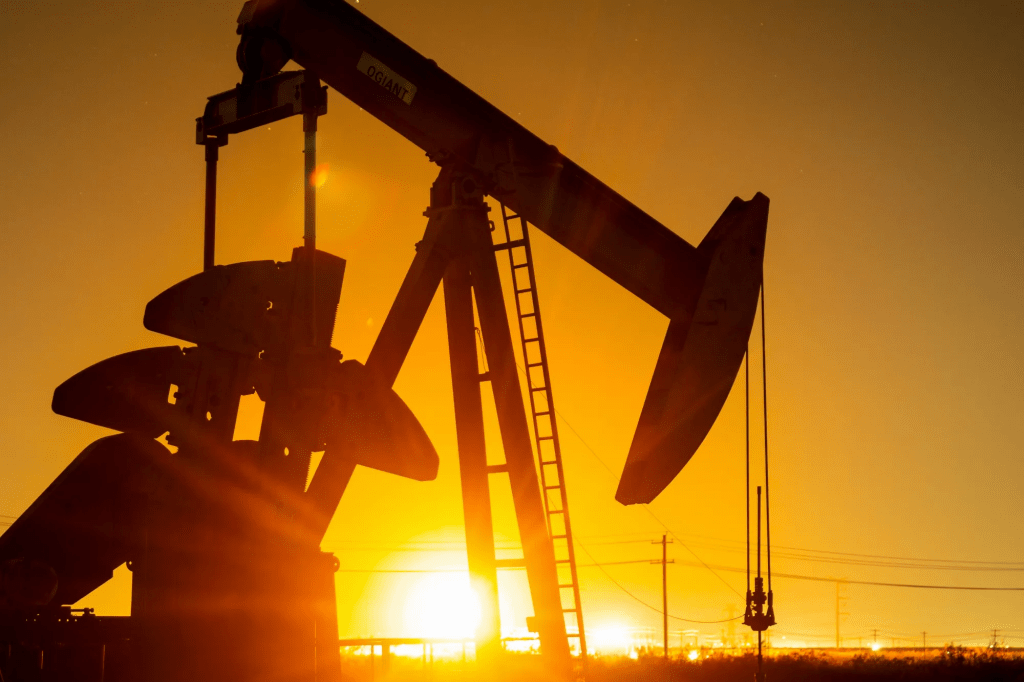
The United States leads the world in oil production, averaging 21 million barrels per day. However, despite this massive output, the country continues to import oil due to refining constraints and strategic economic policies. The mismatch between domestic crude oil production and refining capabilities means that the U.S. both exports and imports oil to balance supply and demand. While the U.S. is the top oil producer, it ranks 11th in global oil reserves, holding 36.5 billion barrels—a fraction of Venezuela’s 302.8 billion barrels. This disparity means that while the U.S. has the capacity to extract oil at high rates, its long-term reserves are significantly smaller than those of many OPEC nations.
The global oil market is driven by price strategies. Countries like Saudi Arabia strategically adjust production to maintain high oil prices. In contrast, the U.S. aims for low oil prices to support domestic consumption and economic stability. The fluctuating balance between production, reserves, and refining capabilities heavily influences U.S. energy policies. Oil became essential during World War I, prompting the U.S. to ramp up domestic production and establish a dominant role in the global petroleum market. By 1914, the U.S. produced 70% of the world’s oil, highlighting its early leadership in the industry. In 1919, a military expedition led by Dwight D. Eisenhower exposed the poor condition of American roads, with vehicles averaging just 5 mph. This experience directly influenced the eventual development of the Interstate Highway System, accelerating U.S. oil consumption due to increased vehicle use and transportation infrastructure.
The formation of OPEC in 1960 marked a turning point in oil economics. Major oil-producing nations collaborated to regulate supply and stabilize prices, exerting significant influence over the global energy market. The 1973 oil embargo further exposed U.S. vulnerability, prompting efforts to reduce foreign oil dependence. One key challenge in U.S. energy policy is that refineries are optimized for heavier crude oil, while most domestically produced oil is light sweet crude. This results in a paradox where the U.S. both imports heavy crude for refining and exports lighter crude due to processing limitations.
Hydraulic fracturing (fracking) transformed U.S. energy independence by unlocking unconventional reserves. However, fracking has faced scrutiny over environmental concerns, water usage, and induced earthquakes. The economic viability of shale oil production depends on break-even prices around $40-$50 per barrel. The COVID-19 pandemic underscored the volatility of the oil market. Sudden demand shocks led to major financial losses, particularly in the light crude export sector. The global energy transition towards renewables further complicates the future of fossil fuel investments. Upgrading U.S. refineries to process domestic light crude is an expensive undertaking. Given the increasing focus on renewable energy, funding for such infrastructure modifications remains uncertain. As a result, the U.S. will likely continue to import oil despite being the world’s largest producer.
Although the U.S. has reached record-breaking production levels, technical and economic constraints ensure continued reliance on foreign oil. The future of the industry depends on factors such as advancements in refining technology, geopolitical dynamics, and the transition to renewable energy sources. Some key takeaways include:
- 21 million barrels/day: U.S. oil production exceeds consumption but still requires imports.
- 36.5 billion barrels: U.S. oil reserves are far smaller than those of major OPEC nations.
- 5 mph: Speed of the 1919 military expedition that led to modern highway development.
- $40-$50 per barrel: The break-even price for U.S. shale oil production.
- OPEC’s role: The 1973 oil embargo demonstrated the risks of U.S. oil dependence on foreign suppliers.
The future of the U.S. oil industry remains complex, balancing domestic production, economic strategies, and environmental concerns while adapting to an evolving global energy landscape.
 BRYMO'S TAKE
Leave a comment