
The Challenge of Aid Dependence in Africa
For decades, Africa has relied heavily on international aid to sustain critical sectors such as healthcare, education, and food security. The recent suspension of U.S. foreign aid, particularly its funding for HIV/AIDS treatment, has brought to light the vulnerabilities of an aid-dependent system. Programs such as the U.S. President’s Emergency Plan for AIDS Relief (PEPFAR) have saved millions of lives, yet the uncertainty surrounding their funding now threatens to undo years of progress in fighting HIV/AIDS and other diseases.
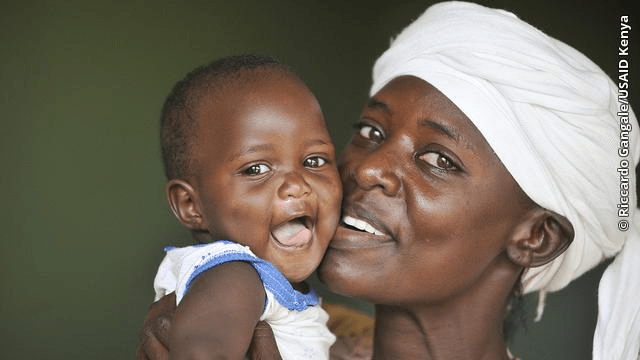
An HIV-positive mother in Kenya holds her HIV-negative baby. Source: United States Secretary of State
The Impact on Healthcare and Humanitarian Efforts
Across the continent, the abrupt halt of U.S. aid funding has led to severe disruptions in healthcare services. Many African nations depend on foreign assistance for up to 90% of their healthcare budgets, meaning that any suspension of aid significantly impacts access to essential treatments. Patients who rely on antiretroviral (ARV) therapy for HIV treatment have been turned away from clinics, while tuberculosis and malaria control programs face severe cutbacks. Additionally, humanitarian organizations have had to scale down or completely shut down their operations, leaving millions vulnerable to famine, displacement, and disease outbreaks.
In South Africa, which has one of the highest HIV infection rates in the world, the USAID funding freeze has forced the closure of clinics and the suspension of outreach programs. While South Africa has made strides toward domestic funding of its healthcare initiatives, other nations such as Mozambique, Malawi, and Zambia remain highly dependent on external funding. Without an immediate solution, millions could face dire health consequences.
A Wake-Up Call: The Need for Sustainable Development
The ongoing aid crisis has ignited discussions among African policymakers and stakeholders on the importance of self-reliance. While international assistance has played a crucial role in supporting development efforts, it is clear that long-term sustainability requires African nations to develop robust healthcare systems, invest in local pharmaceutical industries, and create policies that encourage financial independence.
To achieve this, African leaders must prioritize:
- Domestic Resource Mobilization – Governments should strengthen tax collection mechanisms and allocate a larger portion of national budgets to healthcare and education.
- Public-Private Partnerships (PPPs) – Collaboration between governments and private sector investors can provide alternative sources of funding for healthcare, infrastructure, and social services.
- Regional Trade and Investment – Strengthening intra-African trade can reduce dependence on foreign aid while fostering economic resilience.
- Local Pharmaceutical Production – Investing in Africa’s pharmaceutical industry will help reduce reliance on imported medications and ensure uninterrupted treatment for diseases such as HIV/AIDS and malaria.
- Policy Reforms and Governance Improvements – Transparency and accountability in resource management will attract investment and aid in the development of self-sufficient economies.
Charting a New Path Forward
While the immediate aid crisis presents a significant challenge, it also offers Africa an opportunity to reassess and redesign its approach to development. Governments must work together with regional organizations, such as the African Union and the Africa Centers for Disease Control and Prevention, to establish long-term solutions that safeguard public health and economic stability.
The current crisis highlights the importance of reducing dependence on external funding and focusing on homegrown solutions. By taking proactive steps now, Africa can build a future where healthcare, education, and economic development are driven by sustainable local initiatives rather than fluctuating foreign aid. This is not just a necessity—it is an opportunity for Africa to chart its own course toward lasting prosperity and resilience.
 BRYMO'S TAKE
Leave a comment