
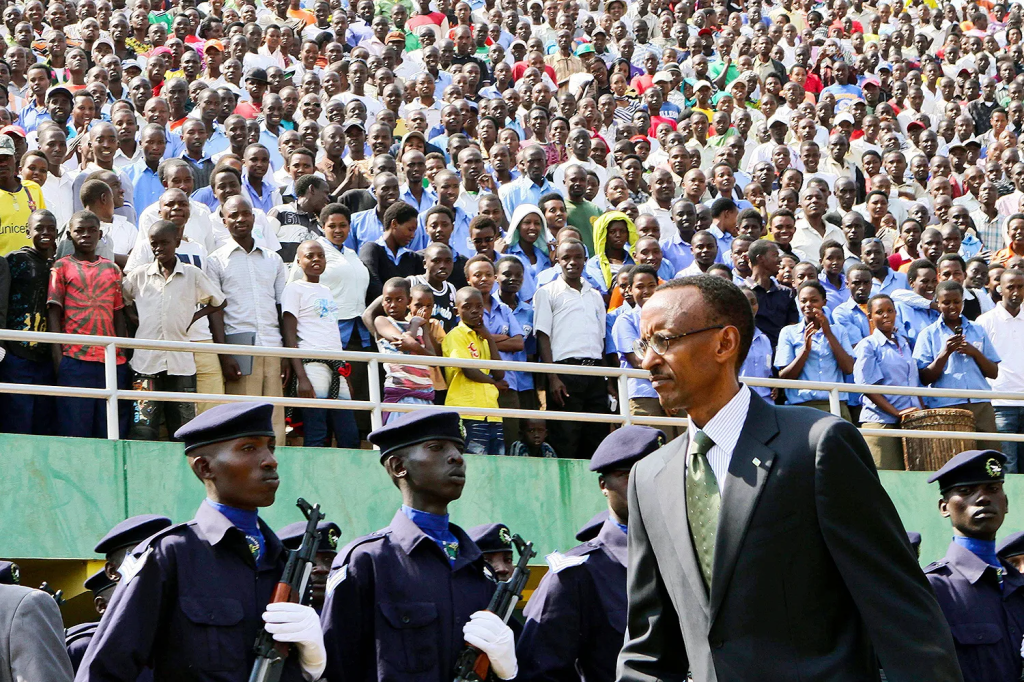
Rwandan President Paul Kagame reviews troops at Amahoro Stadium in Kigali during Liberation Day ceremonies marking the 16th anniversary of the end of the genocide on July 4, 2010. Image Source: http://www.foreignpolicy.com
In leadership, two contrasting models often emerge: the dictator and the visionary. As I search my leadership class notes, I have been confronted with the complexities surrounding these roles and their implications, particularly in the context of Africa’s socio-political landscape. This discourse explores the essence of dictators and visionary leaders, their interplay, and whether Africa requires a visionary dictator for transformation.
A dictator wields absolute power, often ascending through force and maintaining control through suppression. They operate with minimal checks and balances, curbing dissent and enforcing their will upon the populace. In contrast, a visionary leader harbors a clear and inspiring vision for the future. While their methods can vary, they focus on rallying people toward a common goal, fostering unity, and driving progress.
The question arises: Can a dictator be visionary? The answer is complex. Indeed, dictators can possess a coherent plan for the nation’s future. They might prioritize economic or social development, modernize infrastructure, or unify fragmented societies. However, the absence of democratic principles poses significant challenges.
Historically, certain figures have made strides under authoritarian regimes. Mustafa Kemal Atatürk modernized Turkey, albeit with suppressive tactics. Similarly, Lee Kuan Yew spurred rapid economic growth in Singapore, albeit at the expense of civil liberties. These examples underscore the complex interplay between progress and oppression under visionary dictators.
In the African context, the debate intensifies. Democracy, while ideal, often encounters roadblocks in developing nations. Rwanda, under Paul Kagame’s firm grip, has witnessed economic advancement, yet concerns linger regarding human rights violations and political repression. Nigeria, despite its democratic framework, grapples with corruption and ethnic strife, showcasing the challenges inherent in democratic governance.
As we ponder Africa’s trajectory, the imperative for democratic consolidation becomes apparent. Strengthening institutions, fostering a free press, and nurturing an independent judiciary are paramount. Tackling corruption emerges as a requirement for restoring public trust and strengthening governance effectiveness. Moreover, prioritizing education and economic development ensures inclusive growth and citizen empowerment. While the path to democracy may be tough, success stories abound. There are still nations in Africa that exemplify the triumph of democratic governance, showcasing the efficacy of inclusive institutions and accountable leadership.
In the crucible of leadership, the dichotomy between dictators and visionaries persists. While dictators may espouse visionary ideals, the inherent risks of oppression and instability loom large. Africa’s journey toward progress necessitates a delicate balance—a synergy between visionary aspirations and democratic principles. By fortifying democratic institutions, combating corruption, and fostering inclusive growth, Africa can chart a course toward sustainable development and collective prosperity.
As I continue to traverse my leadership journey, I am reminded of the profound responsibility incumbent upon leaders—to inspire, unite, and steer nations toward a brighter future, grounded in democratic values and inclusive governance.
 BRYMO'S TAKE
Leave a comment