
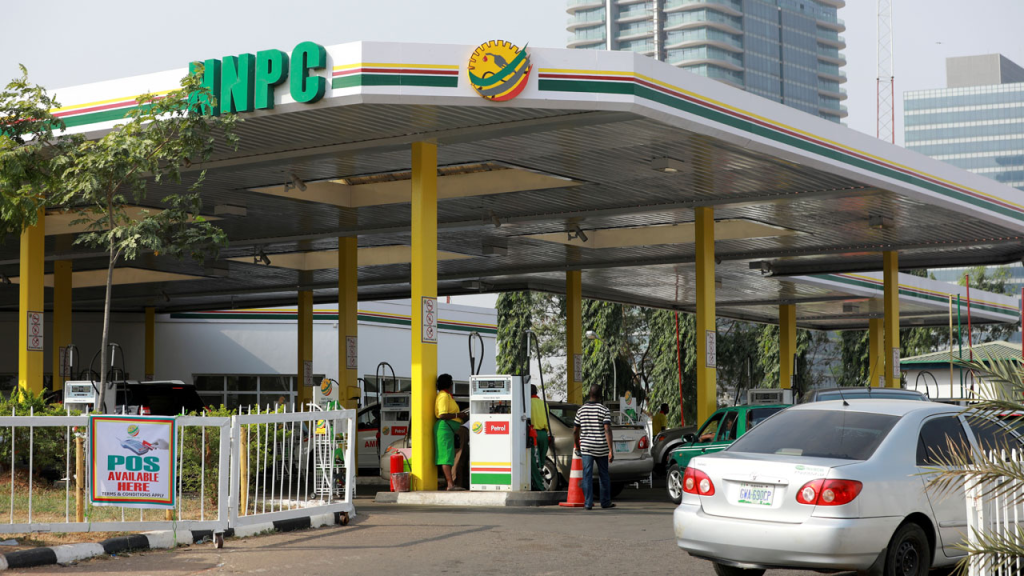
Nigeria’s new president, Bola Tinubu, has made bold moves by scrapping the fuel subsidy and unifying the exchange rates. These policies, while applauded by some economists, have sparked heated debate across the nation. The question remains: is Nigeria on the right track? Should citizens simply trust the government and endure the short-term pain?
The fuel subsidy was a massive drain on public finances, leaving less for critical areas like infrastructure and healthcare. Removing it frees up funds for vital investments that could drive long-term economic growth. Additionally, unified exchange rates and a market-driven fuel price signal confidence and stability, potentially attracting foreign businesses and boosting investment in the economy. The elimination of multiple exchange rates also aims to curb corruption by removing opportunities for arbitrage and manipulation.
Despite the potential benefits, these reforms bring significant challenges. Higher fuel prices create inflationary pressure, affecting transportation, food, and other essential goods, which could disproportionately burden the poor. Unifying exchange rates also carries the risk of naira depreciation, making imports more expensive and fueling further inflation. Economic hardship resulting from these changes may lead to social unrest, as citizens struggle with the immediate impacts.
Blind trust in any government is risky. Transparency and clear communication are crucial. Nigerians deserve to understand the rationale behind these changes, the expected timeline for benefits, and concrete measures to mitigate hardship. The government must demonstrate effective cost-cutting and responsible use of freed-up resources to gain public confidence.
Peaceful protests serve as a legitimate means of expressing dissent and highlighting concerns. However, resorting to violence or calls for revolution can be counterproductive, destabilizing the economy and jeopardizing any potential gains. Open dialogue and constructive engagement remain the most effective tools for positive change.
Holding governments accountable is essential. While a new government can bring fresh ideas and approaches, judging it solely on potential is unwise. Evaluating its actions, transparency, and effectiveness over time is key to determining whether these reforms are truly beneficial.
Nigeria’s path forward requires open dialogue, evidence-based policymaking, responsible resource management, and a commitment to transparency. Citizens must hold the government accountable while exercising patience and engaging constructively. Overcoming these challenges demands a collective effort, trust that is earned rather than given, and a shared vision for a brighter future.
 BRYMO'S TAKE
Leave a comment