
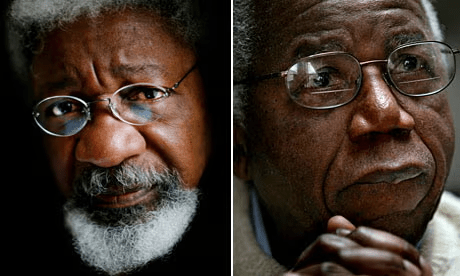
In the annals of African literature, Wole Soyinka and Chinua Achebe stand as towering figures, their names often evoked in the same breath. Yet, when the conversation turns to the Nobel Prize in Literature, a misleading narrative sometimes surfaces—one that implies Soyinka’s win in 1986 somehow overshadowed or diminished Achebe’s literary brilliance. This comparison not only reduces their distinct contributions to a zero-sum game, but also misunderstands the nature of the Nobel Prize and the unique legacies each writer carved.
Soyinka’s body of work is vast and versatile, ranging across poetry, drama, novels, and essays. His writing reveals a deep command of language and a fearless engagement with themes of identity, myth, power, and justice. His international reach—both in influence and readership—combined with his unrelenting activism against oppressive regimes, likely played a role in the Nobel Committee’s decision. His work and public life reflected a synthesis of artistic excellence and moral courage.
But to equate Achebe’s lack of a Nobel with a lack of literary merit is deeply misguided. Achebe’s Things Fall Apart remains a landmark in world literature, a novel that helped define modern African writing and gave voice to the complexities of colonialism from the inside out. His prose—measured, incisive, and resonant—challenged reductive Western depictions of Africa and inspired a generation of writers to reclaim their narratives. Beyond fiction, his essays and speeches offered powerful critiques of cultural imperialism and celebrated the dignity and resilience of African societies.
The Nobel Prize, though prestigious, is far from a perfect or comprehensive gauge of literary greatness. It is shaped by the dynamics of its selection committee, the geopolitical climate of the time, and evolving definitions of literary impact. Many towering figures across the world—Tolstoy, Borges, James Baldwin—never received it. That Achebe is among them is not a reflection of inferiority but of the limitations of awards as arbiters of legacy.
Framing the relationship between Soyinka and Achebe as competitive overlooks the depth of their individual and shared contributions. They were not adversaries but distinct voices, each shaping and elevating African literature in their own way. Soyinka’s theatrical innovations and Achebe’s narrative mastery enriched the global literary canon, each offering new ways of seeing the world and understanding history.
To measure their significance through the lens of awards is to miss the enduring power of their work. Their writings continue to stir minds, challenge assumptions, and inspire generations. Rather than dwell on binaries, we would do better to celebrate the expansive terrain they opened up—for African writers, for global readers, and for literature as a whole.
 BRYMO'S TAKE
Leave a comment