
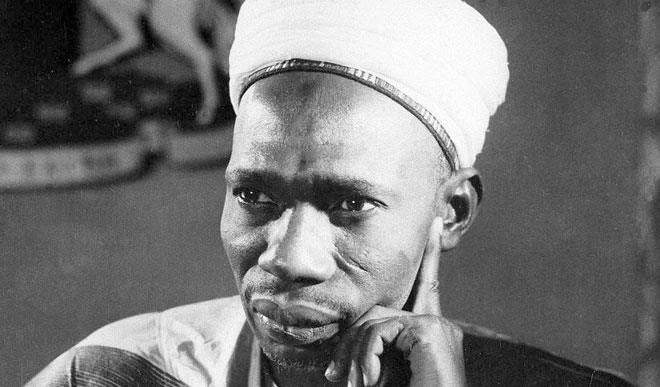
The January 15, 1966 coup in Nigeria remains one of the most debated events in the country’s history. At the heart of the controversy is the question of whether it was an “Igbo coup” or a more complex and multifaceted occurrence. Examining the composition of the coup plotters, their targets, and the broader motives behind the coup helps to provide a clearer picture of this pivotal event.
The majority of the coup plotters were of Igbo descent, with estimates suggesting that over 90% belonged to this ethnic group. This concentration of Igbo officers has led to interpretations that the coup had a significant ethnic dimension. Additionally, the elimination of several prominent Northern leaders has fueled arguments that the coup was aimed at shifting power away from the Northern-dominated government.
However, while the majority of the plotters were Igbo, there were also participants from other ethnic groups, including Yoruba and Middle Belt officers. This diversity suggests that the coup was not solely driven by Igbo interests. Furthermore, the stated goals of the coup were to overthrow a corrupt and inefficient government, end regional biases, and establish a more united Nigeria. These objectives do not necessarily align with an ethnic agenda.
Another aspect to consider is the motivations of individual coup plotters. Some argue that personal grievances and ambitions, rather than ethnic nationalism, played a significant role in their decision to participate. The coup may have been seen as an opportunity to advance careers or reshape national politics rather than solely an attempt to establish Igbo dominance.
The coup had far-reaching consequences for Nigeria. It heightened ethnic tensions, particularly between Igbos and Hausas, leading to retaliatory violence against Igbos in the North. It also destabilized Nigeria’s political system, paving the way for military rule and setting a precedent for future coups that eroded democratic institutions. Additionally, the events surrounding the coup played a crucial role in the rise of the Biafra secessionist movement, ultimately leading to the Nigerian Civil War.
The January 15, 1966 coup remains a complex and controversial chapter in Nigeria’s history. The debate over whether it was an “Igbo coup” reflects the intricate dynamics of ethnicity, politics, and power. Understanding the causes, implications, and ongoing legacy of the coup is essential to comprehending Nigeria’s political trajectory and the challenges it continues to face.
 BRYMO'S TAKE
Leave a comment