
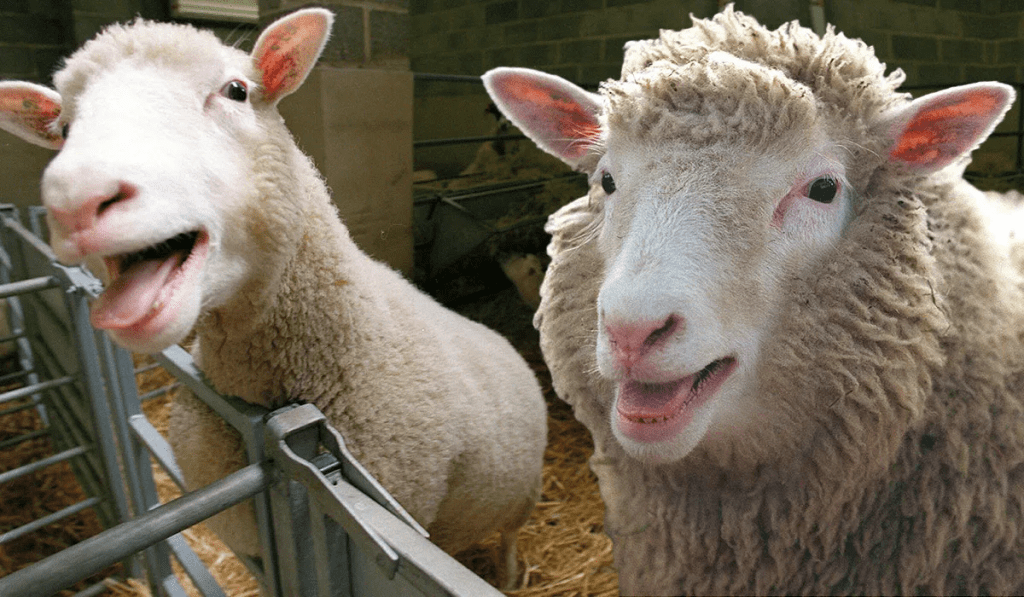
From Dolly the sheep to sci-fi visions of army battalions crafted from identical soldiers, cloning has captured our imagination and ignited fierce debate. But beyond the sensational headlines lies a complex scientific endeavor with the potential to reshape our world. Let’s peek into the wondrous world of cloning, unraveling its science, exploring its applications, and confronting the ethical dilemmas it presents.
The Cloning Toolbox:
There’s not just one, but a toolbox of cloning techniques. For plants, it’s a familiar story – snip a stem, plant it, and voilà, a new life sprouts, mirroring its parent. But for animals, things get trickier. Dolly, the pioneering sheep, was created by transferring the nucleus of an adult cell into an egg cell devoid of its own, essentially giving birth to a genetic twin. This “reproductive cloning” remains shrouded in controversy, banned in humans due to ethical concerns about the well-being of potential clones and the implications for human identity.
Therapeutic cloning, however, takes a different path. Here, the goal is not to create miniature versions, but to obtain embryonic stem cells, the building blocks of life with the potential to regenerate tissues and treat various diseases. While this avenue holds immense promise for medicine, it too raises ethical questions around the creation and destruction of embryos.
The Cloned Life Story:
Dolly’s tale serves as a cautionary chapter. Though she lived an average lifespan, she suffered from health problems linked to the cloning process. This highlights the challenges of reprogramming cells and the potential risks involved. Other cloned animals have faced similar issues, raising concerns about their welfare and the long-term viability of this technology.
Beyond Dolly’s Field:
The story of cloning extends beyond the farmyard. Scientists are exploring its potential in diverse fields, like reviving endangered species, conserving precious plant varieties, and even boosting food production through disease-resistant clones. Imagine fields teeming with bananas immune to a devastating fungus, or a future where cloning helps restore ecosystems lost to human activity.
But with each leap forward, ethical considerations multiply. Concerns about disrupting natural ecosystems, playing God with endangered species, and the potential for commercial exploitation in agriculture demand careful navigation.
The Future We Clone:
Cloning is a potent tool with the potential to reshape our world, for better or worse. As we delve deeper into this realm, responsible scientific research, open dialogue, and robust ethical frameworks are crucial. We must ensure that cloning serves humanity’s needs without compromising the well-being of other living beings or jeopardizing the delicate balance of our planet.
The wondrous world of cloning is not just about replicating life, but about shaping the future we choose to create. With thoughtful exploration, we can unlock its potential for good, ensuring that the story of cloning becomes a chapter of progress, not one of ethical missteps.
This blog article is just a starting point for exploring the complexities of cloning. So, let’s continue the conversation, share your thoughts, and together navigate the ethical frontiers of this remarkable scientific frontier.
 BRYMO'S TAKE
Leave a comment