
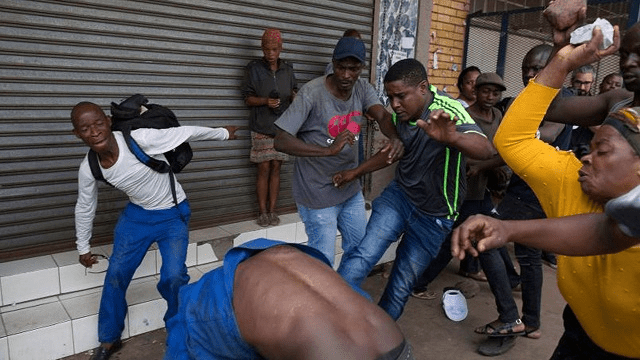
South Africa, a nation striving for a brighter future, casts a long, dark shadow of its own making. This shadow is not of political turmoil or economic hardship, but of a deeply concerning phenomenon – mob justice.
The specter of vigilantism stalks the land, leaving a trail of senseless violence and shattered lives. Its origins whisper of apartheid’s deep scars, of communities eroded by mistrust in formal justice systems, and of frustration boiling over in the face of seemingly unchecked crime.
Fueled by misinformation and the lightning-fast spread of rumors through social media, mobs erupt, transforming citizens into judge, jury, and executioner. Innocent lives are snuffed out, often based on mere whispers and suspicion. The rule of law is trampled, replaced by a terrifying law of the jungle.
The impacts are stark and undeniable. Every blow aimed at an accused criminal bleeds into the soul of the nation. Each life lost diminishes us all. Communities are crippled by fear, the cycle of violence perpetuated by the very act meant to end it. South Africa’s image on the world stage is tarnished, casting a shadow over its hard-won progress.
Xenophobia, that ugly serpent of prejudice, sometimes slithers into the equation, twisting mob justice towards vulnerable migrants and foreigners. Drug abuse, too, can weave itself into the narrative, contributing to an atmosphere of lawlessness and despair.
But to simplistically blame these factors alone would be a dangerous misstep. Mob justice is a hydra, its heads nourished by a complex web of social, economic, and historical factors. The legacy of apartheid, with its systemic inequities and distrust in institutions, remains a potent influence.
So, what can be done? The answer lies not in swift pronouncements or finger-pointing, but in a concerted effort to address the root causes of this darkness.
Building trust in the formal justice system is paramount. Efficient and unbiased policing, coupled with accessible and just legal processes, are the cornerstones of a society that upholds the rule of law. Communities must be engaged, not alienated. Conflict resolution workshops, educational programs, and initiatives that foster understanding and cooperation are vital weapons in the fight against vigilantism.
Public education is another powerful tool. Raising awareness about the dangers of mob justice, dispelling misinformation, and promoting tolerance and empathy can shift the tide towards a more peaceful future.
Finally, addressing the social and economic inequalities that plague many communities is crucial. Economic development, job creation, and improved access to basic necessities can chip away at the fertile ground where frustration and desperation take root.
The road to eradicating mob justice is long and arduous. It demands an unwavering commitment from communities, government, and civil society alike. But there is hope. By acknowledging the complexity of the issue, prioritizing evidence-based solutions, and embracing compassion and understanding, we can begin to dispel the shadow and usher in a dawn of justice for all.
Let us remember, the fight against mob justice is not just about upholding the law; it’s about reclaiming the soul of a nation. It’s about building a South Africa where every life is valued, where conflict is met with reason, and where the darkness of vigilantism gives way to the light of a just and humane society.
 BRYMO'S TAKE
Leave a comment