
Nigeria’s vibrant streets pulsate with life, but beneath the rhythm of commerce and celebration lurks a darker melody, one sung in whispers and fueled by desperation. It’s the tune of a horrific and bizarre drug abuse trend sweeping the nation, ensnaring youth in a twisted web of addiction.
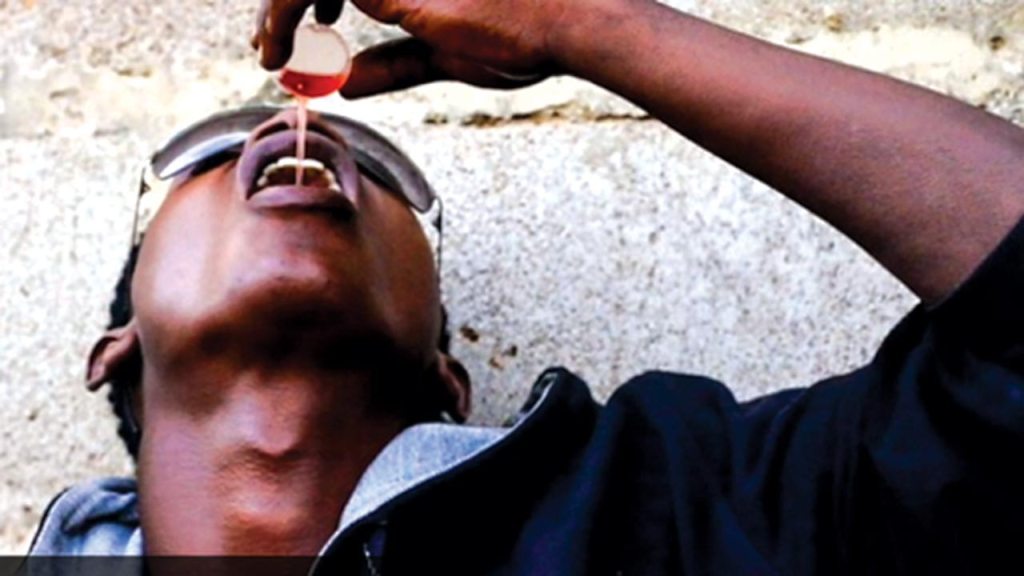
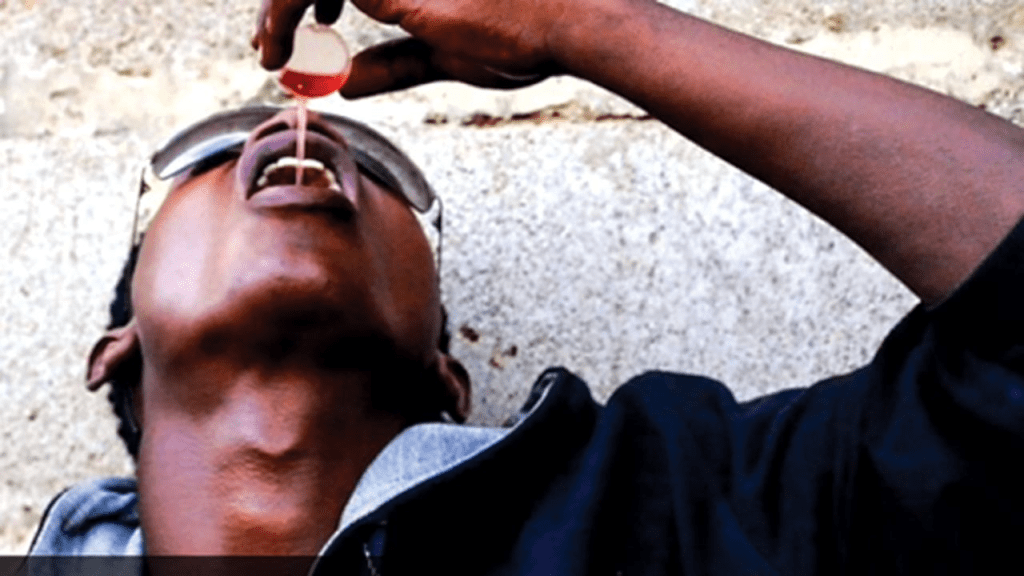
Gone are the days of solely illicit narcotics dominating the scene. This new reality features opioid-laced cough syrup masquerading as relief, turning living rooms and street corners into dens of glazed eyes and slurred speech. The 2018 documentary “How cough syrup is creating a generation of addicts” by BBC Africa is a chilling testament to this warped form of escape.
But as shocking as the normalcy of codeine cocktails may seem, the bizarre doesn’t stop there. In Lagos nightclubs, a new kind of high takes flight in the form of nitrous oxide canisters. Once confined to dentist chairs, this gas now inflates balloons held by laughing, dissociated partygoers, their carefree joy a stark contrast to the potential brain damage lurking beneath.
This isn’t just a party trick. It’s a symptom of a nation grappling with 14 million people struggling with drug use, 3 million of them battling crippling disorders. The National Drug Law Enforcement Agency (NDLEA) is rightfully raising the alarm, highlighting the 100% increase in psychiatric drug-related admissions at the Federal Neuro-psychiatric Hospital.
But the horror isn’t limited to physical and mental tolls. In Borno State, reports of youths resorting to fermented human urine as a drug substitute paint a picture of unimaginable desperation. Even pre-wedding ceremonies aren’t safe, with recent raids disrupting “drug abuse competitions” organized within communities.
The online world adds another layer of complexity. The “darknet” has become a virtual marketplace for illicit substances, offering anonymity and convenience to a generation adept at navigating the digital shadows.
So, what hope is there? The NDLEA’s recent successes in Kano and other states offer a glimmer, but they’re just the first notes in a long and complex symphony. Tackling this epidemic requires a multi-pronged approach:
- Prevention: Public education campaigns and community outreach programs must address the root causes like poverty, unemployment, and lack of opportunity.
- Treatment: Affordable and accessible drug treatment centers, coupled with rehabilitation and psychological support, are crucial to breaking the cycle of addiction.
- Regulation: Stricter controls on the availability of cough syrup and other potentially addictive substances are essential.
- Law enforcement: Continued efforts to dismantle drug trafficking networks and disrupt online sales are vital.
Nigeria’s youth are the nation’s future, and their minds are under siege. Ignoring this horrific and bizarre trend would be a national tragedy. By raising awareness, demanding action, and investing in comprehensive solutions, we can rewrite this bleak melody into a song of hope, one where addiction doesn’t define a generation, but resilience and recovery do.
Let’s remember: the shadow dance isn’t inevitable. Together, we can turn on the lights and reclaim the future.
Share this article, start the conversation, and join the fight to combat Nigeria’s drug abuse epidemic!
 BRYMO'S TAKE
Leave a comment