
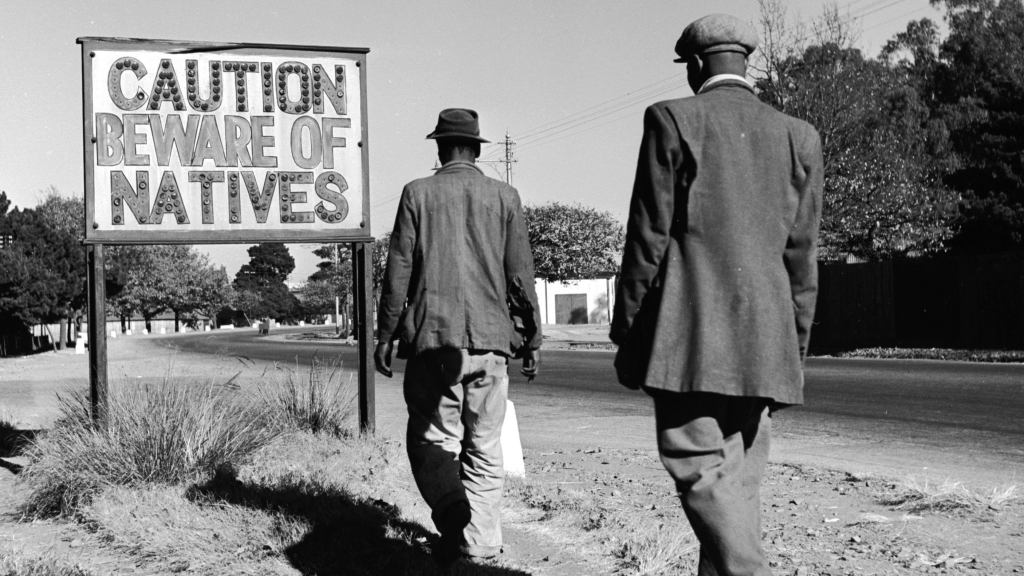
Apartheid – the word itself evokes images of racial separation, injustice, and oppression. For nearly half a century, this system cast a dark shadow over South Africa, segregating its people based solely on the color of their skin. But how did such a system arise, and what does its legacy tell us about ourselves and the world we strive to build?
The roots of Apartheid lie tangled in centuries of colonialism and exploitation. European settlers arriving in the 17th century established a power imbalance, dispossessing Black South Africans of their land and relegating them to a subservient status. As Afrikaner nationalism flourished, it fueled a desire for white supremacy, further solidifying racial divisions. This toxic blend of economic interests, historical grievances, and prejudice ultimately birthed Apartheid in 1948.
Was Apartheid ever necessary? This question carries the weight of history, yet the answer remains clear: No. There is no justification for a system that systematically oppresses and denies basic human rights based on race. Apartheid inflicted immense suffering, shattering families, curtailing freedoms, and extinguishing countless dreams.
But amidst the darkness, glimmered resistance. International condemnation resonated with growing internal struggles against the regime. From Nelson Mandela’s defiant spirit to the everyday acts of courage by countless South Africans, the tide began to turn. In 1994, Apartheid crumbled, paving the way for a fragile yet hopeful democracy.
Could this tragedy have been avoided? Hindsight offers tempting possibilities. Perhaps earlier efforts towards racial equality and shared power could have steered South Africa down a different path. Yet, we must remember that history is not a simple “what if” equation. Every event is woven into the intricate tapestry of time, and while we can learn from the past, we cannot rewrite it.
The legacy of Apartheid is a Janus-faced coin. On one side, we see the undeniable gains: a multiracial democracy, increased access to education and opportunities for Black South Africans, and a stronger sense of national identity. On the other, the deep scars remain: economic inequality, lingering racial tensions, and the ongoing struggle for social justice.
South Africa’s story is not just about a dark chapter in its past; it’s a cautionary tale for the present and a beacon of hope for the future. Apartheid reminds us of the dangers of racism, segregation, and the denial of basic human rights. It teaches us that even the most entrenched systems can be dismantled, and that the fight for justice is a continuous journey.
Could South Africa have been “better off” without Apartheid? Perhaps. But dwelling on that hypothetical ignores the reality we face. Instead, let us honor the sacrifices of those who fought for freedom, learn from the mistakes of the past, and dedicate ourselves to building a world where systems like Apartheid have no place.
The scars of Apartheid may endure, but they can also serve as reminders of our collective responsibility to fight for a more just and equitable future. Let us not forget the lessons of South Africa, for in understanding its past, we can illuminate the path to a brighter tomorrow.
 BRYMO'S TAKE
Leave a comment