
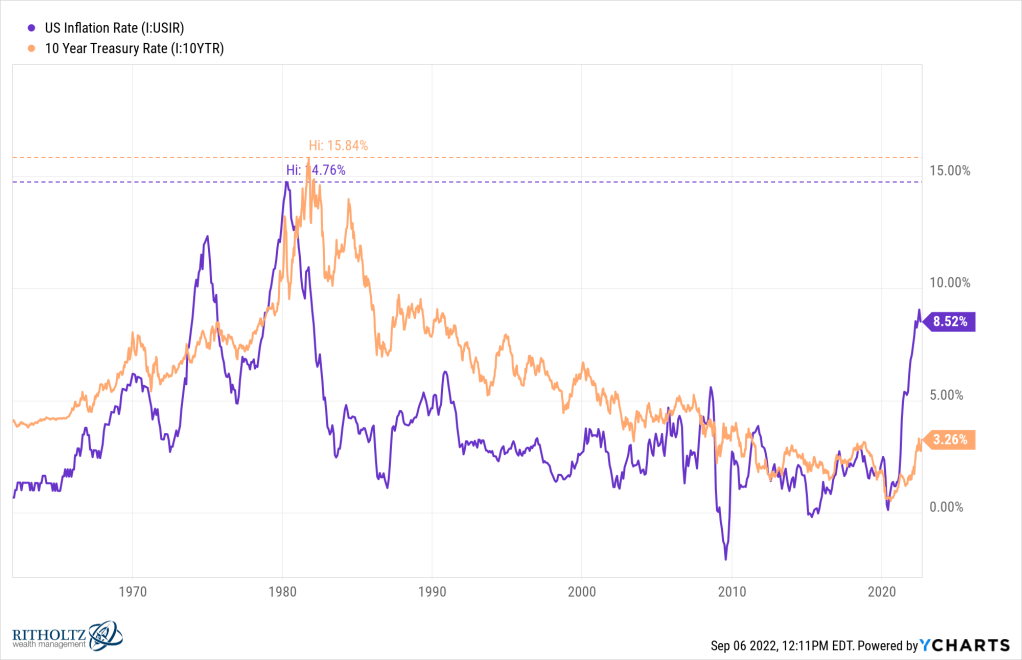
It’s like the economy is a stubborn child throwing a tantrum in the grocery store. You try to appease it with candy, but it just screams louder. In this analogy, the candy is cheap money (low interest rates), and the tantrum is inflation (rising prices). So, what do you do? You take away the candy, hoping it’ll calm down. That’s kind of what central banks do when they raise interest rates in response to inflation.
Let’s unpack this.
Central banks, like the Federal Reserve in the US, have two main goals:
- Keep prices stable: They aim for a low and steady level of inflation, usually around 2%.
- Keep people employed: They want as many people as possible to have jobs.
When inflation spikes, it’s like that unruly child in the store. It’s a sign that the economy is getting too hot. Too much money is chasing too few goods and services, driving prices up. This can be bad for everyone in the long run, as it erodes purchasing power and makes it harder to plan for the future.
So, how does raising interest rates help?
Imagine you’re a bank. You lend money to people and businesses, and you charge them interest. When interest rates go up, it becomes more expensive for people to borrow money. This means:
- Consumers are less likely to buy that new car or take that extravagant vacation. They have to think twice before spending, reducing overall demand in the economy.
- Businesses might be less likely to invest in new projects or hire new employees. They have to consider the increased cost of borrowing before making big decisions.
With less demand, businesses may have to lower prices to attract customers. This helps bring inflation back down to a manageable level.
It’s not always sunshine and rainbows, though. Raising interest rates can have some downsides:
- Slower economic growth: The whole point is to cool things down, so economic growth might slow down as a result.
- Higher unemployment: Businesses might cut back on hiring or even lay off workers if demand weakens.
- Increased debt burden: Existing borrowers have to pay more in interest if rates rise.
So, it’s a balancing act. Central banks have to weigh the risks of high inflation against the potential negative effects of raising rates. They also need to consider other economic factors and make sure their decisions are timed right.
The bottom line: Raising interest rates in response to inflation is a complex tool that central banks use to try to keep the economy on track. It’s not perfect, but it’s one of the best tools they have to keep prices stable and create a healthy economy for everyone.
Remember, the economy is like that child in the store. Sometimes, you have to take away the candy to get it to calm down. But you also have to be careful not to take away too much or you might end up with an even bigger tantrum on your hands.
I hope this blog article has helped you understand why interest rates go up when prices do. If you have any questions, feel free to leave a comment below!
 BRYMO'S TAKE
Leave a comment