
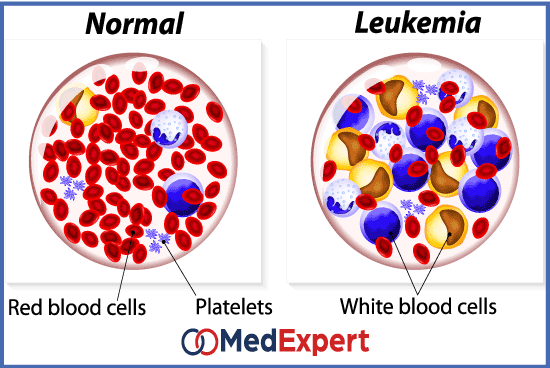
Image Source: MedExpert
Leukemia, once a daunting and often fatal diagnosis, has transformed into a cancer with increasing hope for the future. While it remains a serious illness affecting the blood-forming tissues, advancements in research and treatment have significantly improved survival rates and quality of life for many patients.
Understanding Leukemia:
Leukemia disrupts the body’s normal production of white blood cells, essential for fighting infections and maintaining blood health. This disruption leads to an overproduction of immature and dysfunctional cells, hindering the body’s ability to function properly.
Types and Symptoms:
There are different types of leukemia, categorized by the cell type and growth rate. Some common types include:
- Acute Lymphoblastic Leukemia (ALL): Fast-growing, affecting immature lymphocytes, more common in children.
- Acute Myeloid Leukemia (AML): Fast-growing, affecting myeloid cells involved in blood production, more common in adults.
- Chronic Lymphocytic Leukemia (CLL): Slow-growing, affecting mature lymphocytes, often asymptomatic in early stages.
- Chronic Myeloid Leukemia (CML): Slow-growing, affecting myeloid cells due to a specific genetic abnormality.
Symptoms of leukemia can include fatigue, fever, chills, frequent infections, easy bleeding or bruising, swollen lymph nodes, weight loss, and bone pain.
Diagnosis and Treatment:
Early diagnosis is crucial for optimal treatment outcomes. Blood tests, bone marrow aspiration and biopsy, and imaging tests are used to diagnose leukemia. Treatment options vary depending on the type and stage of leukemia but often include:
- Chemotherapy: Uses powerful drugs to kill cancer cells.
- Radiation therapy: Targets specific areas with high-energy radiation to kill cancer cells.
- Targeted therapy: Targets specific genetic mutations or proteins found in leukemia cells.
- Immunotherapy: Boosts the immune system to recognize and attack leukemia cells.
- Bone marrow transplantation: Replaces diseased bone marrow with healthy stem cells from a donor.
Hope for the Future:
Extensive research on the genetic and molecular mechanisms of leukemia development is paving the way for new and more effective treatments. Targeted therapies have shown promising results, and immunotherapy holds immense potential for harnessing the body’s own defenses against leukemia. Additionally, advancements in bone marrow transplantation continue to improve its success rates.
Living with Leukemia:
While a complete cure is not always possible, some types of leukemia, like CML, can achieve long-term remission with targeted therapy. Even in cases where cure is not achievable, advancements in treatment have significantly improved survival rates and quality of life for many patients.
Managing side effects and providing supportive care are crucial aspects of treatment. Regular monitoring and follow-up are essential to detect potential relapse. Maintaining a healthy lifestyle with a balanced diet, regular exercise, and avoiding smoking and excessive alcohol can also contribute to overall health and well-being.
Leukemia is no longer an automatic death sentence. Early diagnosis, appropriate treatment, and supportive care offer hope for a brighter future for many patients. With ongoing research and advancements in treatment, the future of leukemia continues to be one of increasing hope and possibility.
References:
- American Cancer Society: https://www.cancer.org/cancer/types/leukemia.html
- National Cancer Institute: https://www.cancer.gov/types/leukemia/hp
- Leukemia & Lymphoma Society: https://www.lls.org/
 BRYMO'S TAKE
Leave a comment