
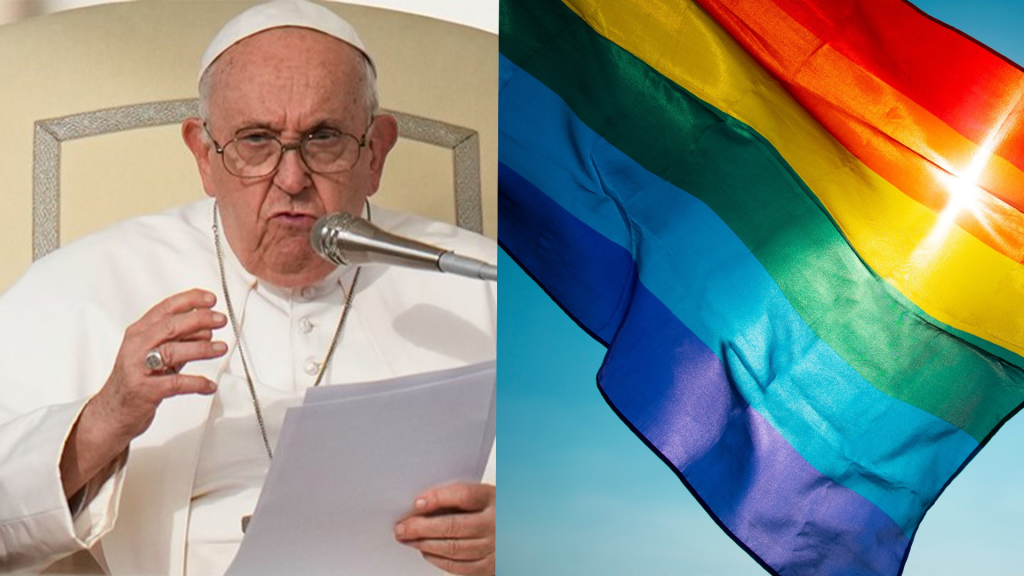
In December 2023, the Vatican released a new document titled “Fiducia Supplicans,” signaling a historic shift in Catholic teaching on same-sex relationships. This policy allows priests to offer non-sacramental blessings to same-sex couples, a departure from previous declarations that strictly prohibited such blessings. While the document emphasizes the importance of traditional marriage, it also reflects an attempt to provide pastoral support to LGBTQ+ Catholics. This article explores the background, details, implications, and potential divides surrounding the Pope’s same-sex blessing policy.
Background:
The Church continues to uphold traditional marriage as a sacrament between a man and a woman, distinguishing these blessings from sacramental marriages. The “Fiducia Supplicans” is an approach that recognizes the love and commitment of same-sex couples without endorsing same-sex marriage. This marks a significant departure from previous conservative stances.
Details of the Policy:
The policy outlines specific details to prevent misconceptions. Blessings are to occur outside regular church rituals and liturgies, emphasizing the couple’s love and commitment. It’s crucial to note that these blessings do not legitimize irregular situations or condone homosexual acts. Priests have the discretion to decline blessings based on personal beliefs, highlighting the delicate balance the policy attempts to strike.
Implications:
The Pope’s same-sex blessing policy aims to provide pastoral support and recognition to same-sex couples within the Catholic community. This shift could foster dialogue and acceptance, but it also introduces tension between conservative and progressive factions. The LGBTQ+ community may perceive the policy as either inadequate or a positive step towards inclusivity.
Potential Divide:
Countries with conservative Catholic populations may witness resistance, leading to public criticism, internal debates, and potential schisms within communities. The policy could cause priests to refrain from offering blessings due to fear of backlash, thereby hindering its intended impact. This potential divide underscores the delicate nature of balancing tradition and evolving societal values within the Church.
Impact on Catholic Churches in Countries with Same-Sex Marriage Laws:
In countries where same-sex marriage is legal, the policy may be cautiously welcomed as a positive development. However, navigating the tension between the Vatican’s stance and legal recognition of same-sex marriage could pose challenges for local churches. Striking a balance between theological doctrines and legal realities becomes crucial in maintaining harmony within these communities.
Potential Impact on Catholic Churches in Countries with Anti-Same-Sex Marriage Laws:
The policy introduces a potential source of tension within churches located in countries with anti-same-sex marriage laws. It may prompt internal divisions, challenges for priests, and debates surrounding the conflict between church doctrine and legal norms. However, the policy also presents an opportunity for constructive dialogue and reflection, fostering understanding and empathy.
Challenges for Priests:
Priests in countries with varying stances on same-sex relationships may face personal and professional challenges. Balancing the expectations of LGBTQ+ Catholics seeking blessings and those opposing the policy can create pressure. Some priests might choose not to offer blessings, limiting access for same-sex couples and adding complexity to the policy’s implementation.
Conclusion:
The Pope’s same-sex blessing policy is an intricate and multifaceted development within the Catholic Church. While it signifies a notable shift towards recognizing and supporting LGBTQ+ Catholics, it also introduces potential divides and challenges for implementation. Steering the delicate balance between tradition and inclusivity requires careful consideration, open dialogue, and a commitment to understanding and respecting diverse perspectives. The ultimate impact of this policy will unfold over time, influenced by individual interpretations, local contexts, and the evolving dynamics within the Catholic Church.
 BRYMO'S TAKE
Leave a comment