
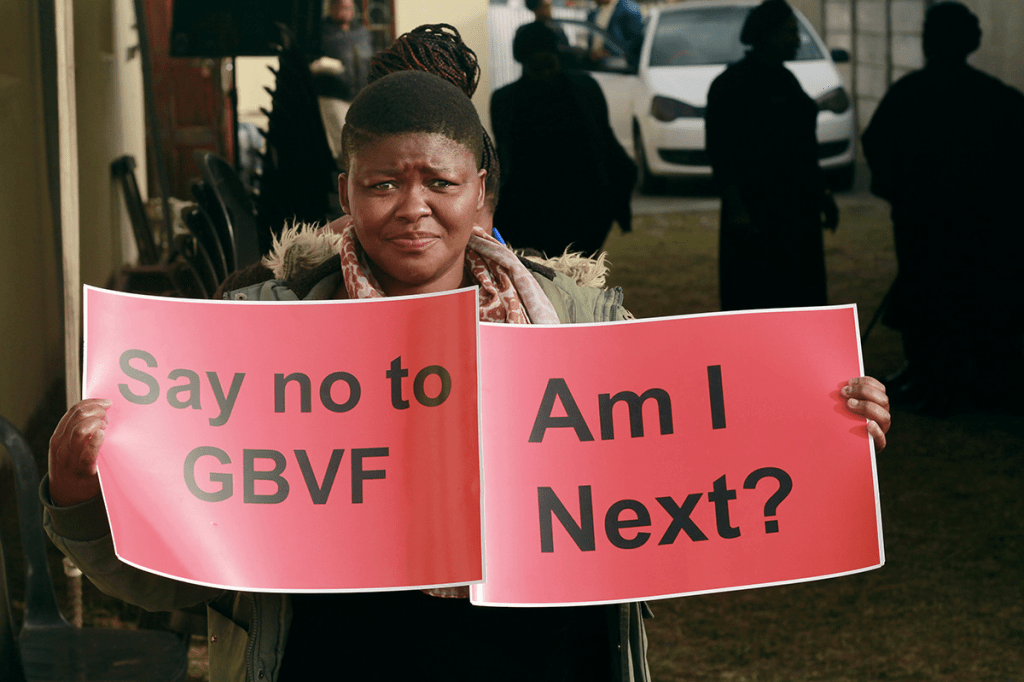
Gender-based violence (GBV) is a deeply concerning issue in South Africa, with women disproportionately affected. The statistics are staggering, and the problem is deeply rooted in the nation’s history and societal fabric. Addressing GBV requires an understanding of its causes, as well as a comprehensive strategy to combat its prevalence and support survivors.
According to the World Health Organization, one in three women worldwide will experience physical or sexual violence by an intimate partner or sexual violence by a non-partner at some point in their lives. In South Africa, the statistics are even more alarming, with close to half of all women experiencing GBV. The persistence of gender inequality continues to create power dynamics that enable men to exert control over women, leading to widespread abuse. Historical and societal norms have reinforced these disparities, making it difficult for many women to escape cycles of violence.
Economic hardship exacerbates the problem, as poverty increases the risk of GBV. Women in financially unstable situations are often unable to leave abusive partners due to economic dependence, making financial empowerment a crucial factor in combating violence. Alcohol and drug abuse further contribute to GBV, as substance use can heighten aggression and lower inhibitions, leading to increased incidents of violence. Additionally, cultural norms that justify or normalize male dominance over women serve to perpetuate the crisis, making it imperative to challenge these long-standing beliefs.
Addressing GBV requires empowering women through education and economic independence, enabling them to escape abusive situations and assert their rights. Challenging traditional gender roles is necessary to dismantle deeply ingrained perceptions of male superiority, which can be achieved through public education campaigns and the promotion of positive role models. Reducing poverty plays a vital role in decreasing GBV, with job creation and social support systems helping to mitigate economic dependence.
Efforts to curb alcohol and drug abuse can significantly reduce violence, with public health initiatives and addiction treatment programs playing a key role. Changing harmful cultural norms through education and awareness campaigns can also help reshape societal attitudes toward gender equality and violence prevention. Strengthening the criminal justice system ensures that perpetrators are held accountable and survivors receive the justice and support they need. Investing in prevention programs that educate individuals about gender equality and healthy relationships is essential to reducing the incidence of GBV.
Comprehensive survivor support services, including medical care, counseling, and legal assistance, must be accessible to all, regardless of financial status. By addressing these underlying factors and adopting a multifaceted approach, South Africa can work towards a society where women are safe and their rights are protected. Education, empowerment, and societal change are critical in fostering a culture that rejects violence and upholds equality for all. Through collective effort and sustained commitment, a more just and secure society can be achieved.
 BRYMO'S TAKE
Leave a comment