
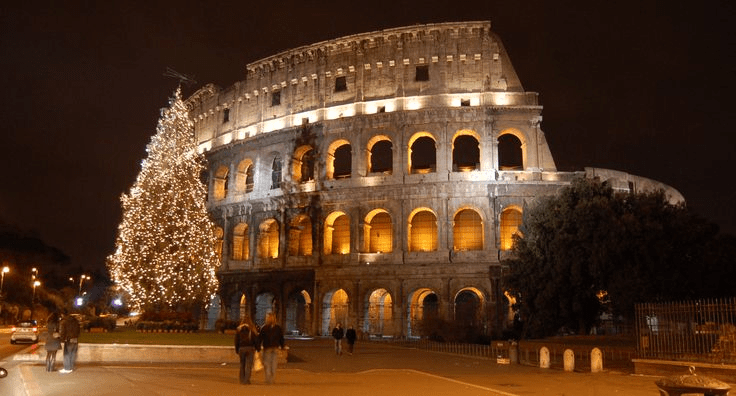
The fascinating aura of Christmas surrounds us with traditions and festivities, rooted in a complex blend of both pagan and Christian influences. This fusion has shaped the holiday we celebrate today, where the recognition of Jesus’ birth harmoniously coexists with ancient winter solstice customs.
Across diverse ancient cultures, the winter solstice marked a significant moment, typically occurring around December 21st-22nd. Germanic tribes and Romans embraced festivals symbolizing light, rebirth, and the promise of longer days. The Romans celebrated Saturnalia in December, a festival dedicated to the god Saturn, characterized by feasting, merrymaking, and gift-giving—traditions that continue to resonate in modern Christmas customs.
In the 4th century AD, December 25th was chosen to commemorate Jesus Christ’s birth, aligning with the Roman festival “Dies Natalis Solis Invicti,” or the Birthday of the Unconquered Sun. This synchronization aimed to Christianize existing pagan traditions, portraying Christ as the “true light”. Over time, Christmas customs evolved organically, intertwining with existing practices and folklore. Caroling, nativity scenes, and gift exchanges gradually became emblematic of the season, enriching the holiday’s cultural significance.
During the medieval period, Christmas blossomed into a major Christian feast, emphasizing religious observances and church services. The holiday’s spiritual significance was paramount. The Reformation in Europe brought shifts in observance, with Protestant traditions emphasizing religious aspects while simplifying certain customs. As time progressed, Christmas evolved into a more secular holiday, embracing universal traditions like gift-giving, family gatherings, and festive decorations, transcending religious boundaries.
Christmas, with its intricate origins, tells a story of continuity and adaptation. Rooted in both pre-Christian and Christian influences, its essence for many lies in celebrating the birth of Jesus Christ. However, the holiday has also grown beyond its religious beginnings, becoming a season for cultural traditions, family unity, and the universal spreading of joy. As we explore its historical layers, we uncover a celebration that bridges diverse traditions, creating a global tapestry of festivity and goodwill.
Merry Christmas!
 BRYMO'S TAKE
Leave a comment