
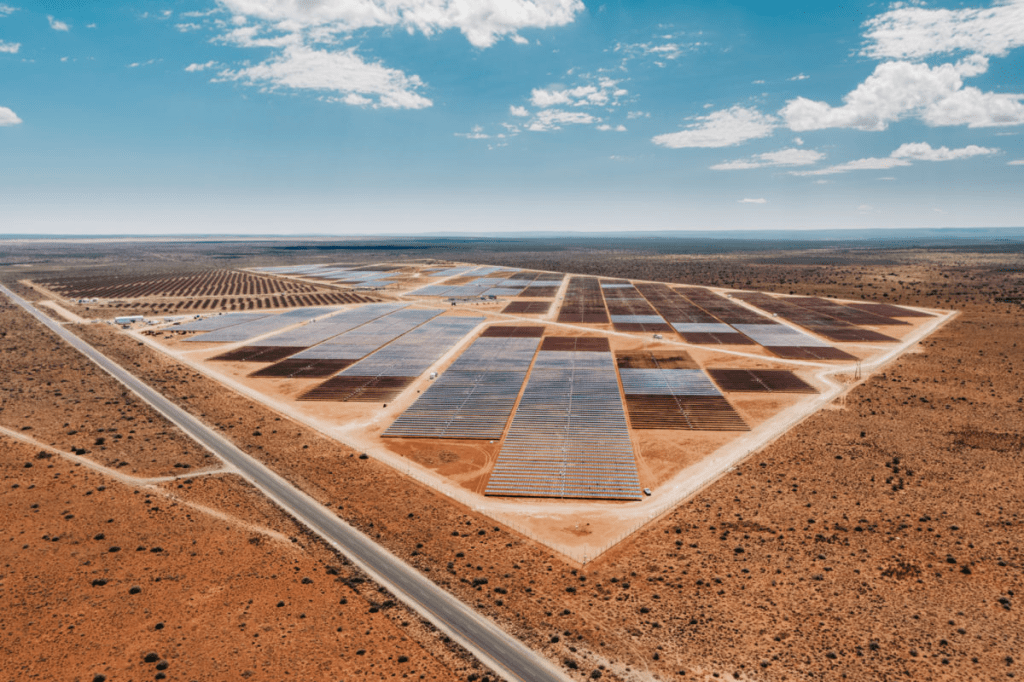
The Renewable Energy Independent Power Producer Procurement Programme (REIPPPP) in South Africa has emerged as a shining example of successful public-private collaboration in the renewable energy sector. Launched in 2011, the REIPPPP has garnered significant praise for its competitive bidding process, which has led to some of the world’s most competitive tariffs for renewable energy. This article explores the accomplishments of the REIPPPP, its impact on South Africa’s energy landscape, and offers recommendations for further improvement.
Appraisal of the REIPPPP
The REIPPPP has earned acclaim from numerous stakeholders, both domestic and international, including the World Bank, the International Energy Agency (IEA), and various renewable energy industry associations. The program’s achievements can be summarized as follows:
Attracting significant private investment: The REIPPPP has successfully attracted over US$20 billion in private sector investments, primarily in wind, solar, and biomass projects. This infusion of capital has not only bolstered South Africa’s economy but also resulted in the creation of numerous jobs in the renewable energy sector.
Reducing electricity costs: One of the program’s most significant accomplishments has been the substantial reduction in electricity costs. The average tariff for renewable energy projects awarded under the REIPPPP has plummeted by more than 80% since its inception in 2011. This cost reduction has benefited consumers, industries, and the overall economy.
Diversifying the energy mix: South Africa’s energy mix was historically dominated by coal, a highly carbon-intensive source of energy. Thanks to the REIPPPP, the country has successfully diversified its energy sources. Renewable energy now accounts for over 20% of the nation’s electricity generation, contributing to energy security and environmental sustainability.
Reducing greenhouse gas emissions: South Africa’s commitment to the Paris Agreement’s emission reduction targets has been bolstered by the REIPPPP. By replacing coal with cleaner renewable energy sources, the program has played a crucial role in mitigating greenhouse gas emissions, aligning the nation with its international climate goals.
Encouraging Private Sector Interest and Facilitating Investment
The REIPPPP has effectively stimulated private sector interest and facilitated investment in renewable energy in South Africa through several key features:
Competitive bidding process: The program’s competitive bidding process ensures that renewable energy projects are awarded to the most cost-effective bidders. This approach promotes efficiency and cost-effectiveness while encouraging innovation in project development.
Long-term power purchase agreements (PPAs): The REIPPPP provides developers with long-term PPAs with Eskom, the state-owned utility. These agreements offer revenue certainty and reduce project risk, making renewable energy investments more attractive to private investors.
Local content requirements: The program mandates that renewable energy projects meet specific local content requirements, fostering economic growth by creating jobs and stimulating local industries related to renewable energy production.
Conclusion
The Renewable Energy Independent Power Producer Procurement Programme (REIPPPP) in South Africa has unquestionably been a resounding success. It has reduced electricity costs, diversified the energy mix, reduced greenhouse gas emissions, and attracted substantial private sector investments in renewable energy projects. Furthermore, the program’s competitive bidding process, long-term power purchase agreements, and local content requirements have been instrumental in achieving these milestones.
Recommendations for Improvement
While the REIPPPP has achieved remarkable success, there is always room for improvement. To further encourage private sector interest and investment in renewable energy, the following recommendations should be considered:
Reducing transaction costs: The government should explore ways to reduce the transaction costs associated with participating in the REIPPPP. Streamlining the bidding process and providing additional support to potential bidders could make the program more accessible to a broader range of investors.
Enhancing coordination with other government programs: Improved coordination between the REIPPPP and other government initiatives, such as the Just Energy Transition Investment Plan, can help align the program with broader energy and development goals, ensuring a more holistic approach to sustainable energy transition.
Providing long-term clarity: To instill confidence in investors, the government should offer greater certainty regarding the future of the REIPPPP beyond the current round of bidding. Clear long-term objectives and a stable regulatory environment can incentivize further investments in South Africa’s renewable energy sector.
In conclusion, the REIPPPP serves as a beacon of success in promoting renewable energy in South Africa. By building on its achievements and addressing the suggested improvements, South Africa can continue to attract private sector investment, reduce emissions, and advance its renewable energy ambitions, contributing to both its economic development and its global climate commitments.
 BRYMO'S TAKE
Leave a comment