
South Africa has made significant strides in the battle against HIV/AIDS in recent years, with a notable decline in HIV prevalence rates among adults. However, the country still faces numerous challenges in its fight against this epidemic. While the prevalence rate has decreased from 11.6% in 2008 to 7.6% in 2021, the number of new HIV infections remains alarmingly high, with approximately 270,000 new cases reported in 2021. This article explores the factors contributing to both progress and challenges in South Africa’s fight against HIV/AIDS and suggests crucial strategies to further reduce its spread.
Factors Contributing to Progress
Increased Access to Antiretroviral Therapy (ART):
One of the most significant contributors to the reduction in HIV prevalence is improved access to antiretroviral therapy (ART). ART is crucial in managing HIV, slowing the progression of the disease, and reducing transmission rates. South Africa has made commendable efforts to expand access to ART, ensuring that more individuals living with HIV can receive treatment.
Expanded HIV Prevention Programs:
South Africa has also expanded its HIV prevention programs, which include condom distribution and voluntary medical male circumcision. These efforts aim to reduce the risk of HIV transmission and have played a role in decreasing infection rates.
Improved Public Awareness:
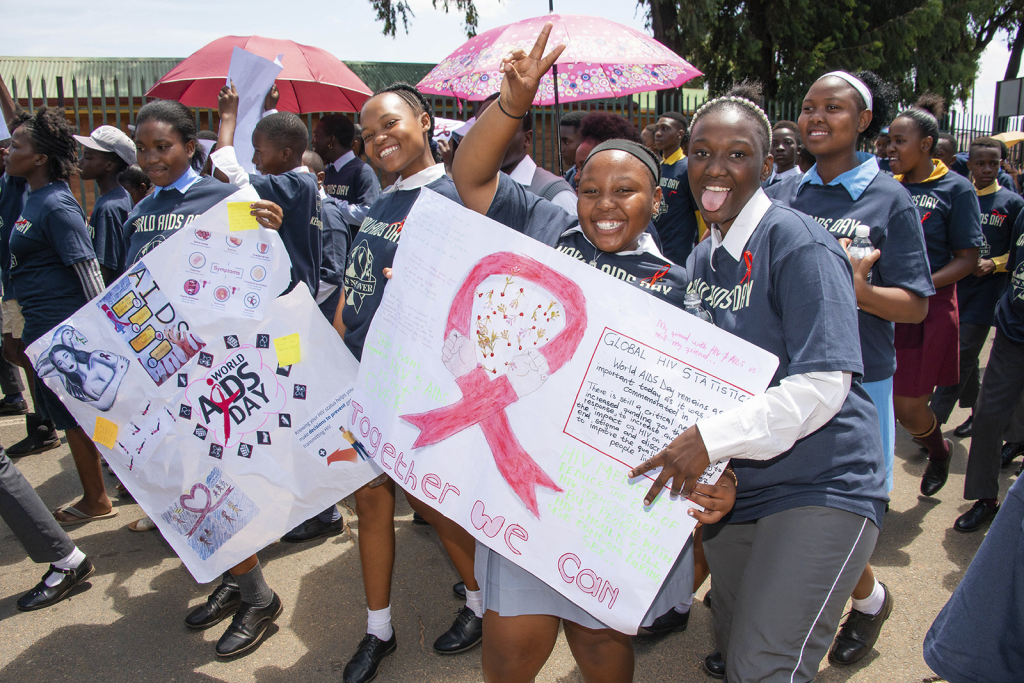
Heightened public awareness campaigns have contributed to the decline in HIV prevalence. These campaigns provide crucial information on HIV transmission, prevention, and destigmatization, empowering communities to take informed action against the virus.
Factors Contributing to Challenges
Gender Inequality:
Gender inequality remains a critical factor contributing to the continued spread of HIV in South Africa. Gender disparities limit women’s autonomy, making it harder for them to negotiate safe sex practices and access healthcare services, increasing their vulnerability to HIV.
Sexual Violence:
Sexual violence is a pervasive issue that exacerbates HIV transmission rates. Victims of sexual violence are often at higher risk of contracting the virus, and perpetrators may transmit the virus. Addressing sexual violence is essential to curbing the epidemic.
High Levels of Poverty and Unemployment:
Poverty and unemployment contribute to the spread of HIV as they limit access to healthcare, education, and economic opportunities. Individuals in precarious economic situations are more vulnerable to engaging in risky behaviors that increase HIV transmission rates.
Stigma and Discrimination:
Stigma and discrimination against people living with HIV persist, discouraging individuals from seeking testing, treatment, and support. This fear of social rejection and discrimination perpetuates the epidemic.
Strategies for Further Reduction
Promoting Gender Equality and Preventing Sexual Violence:
To address gender inequality and sexual violence, South Africa must implement comprehensive programs that promote gender equality, empower women, and combat violence against them. Education and awareness campaigns should challenge harmful gender norms.
Addressing Poverty and Unemployment:
Efforts to reduce poverty and unemployment should be a priority. These include job creation programs, skills development initiatives, and social safety nets to provide economic stability and improve overall well-being.
Reducing Stigma and Discrimination:
Anti-stigma campaigns and education programs should be intensified to reduce discrimination against people living with HIV. Legal protections and support systems can help create a more inclusive society.
Investment in Prevention and Treatment Programs:
Continued investment in HIV prevention and treatment programs is essential. This includes ensuring that everyone who needs ART has access to it and expanding prevention efforts to target high-risk populations, such as sex workers and men who have sex with men.
Conclusion
South Africa’s progress in reducing HIV prevalence is commendable, but the battle is far from over. The country must address underlying factors like gender inequality, sexual violence, poverty, and stigma to further curb the spread of HIV. The commitment of the South African government to end HIV/AIDS as a public health threat by 2030 is a crucial step, but it requires sustained effort, resources, and collaboration with communities and organizations to make this vision a reality. By addressing both the medical and socio-economic aspects of the epidemic, South Africa can move closer to achieving its goal and ultimately create a healthier and more equitable society for all.
 BRYMO'S TAKE
Leave a comment