
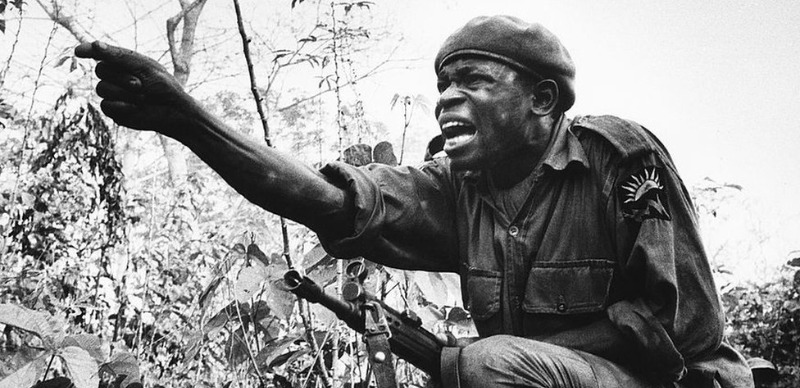
The Nigerian Civil War, also known as the Biafran War, was a tragic chapter in the history of Nigeria, lasting from July 6, 1967, to January 15, 1970. This political-ethnic armed conflict emerged from the attempted secession of the southeastern provinces of Nigeria, primarily inhabited by the Igbo people, under the banner of the Biafra Republic. Responsible for the loss of an estimated 1 to 3 million lives, the war was marked by immense suffering, with the majority of casualties being civilians. While the prevailing narrative focuses on the suffering of the Igbo people and the Nigerian government’s actions, it is essential to explore the multifaceted aspects of the conflict for a more comprehensive understanding.
The complexity of the war goes beyond a singular narrative. While the Igbo people endured significant suffering, they were not the only victims. People from diverse ethnic backgrounds were killed, displaced, and subjected to severe hardships. Civilians caught in the crossfire, as well as combatants on both sides, experienced the devastation of war. Ignoring this broader suffering distorts the reality of the conflict.
Atrocities were committed on both sides. While the Nigerian government has often been criticized for its military actions, secessionist Biafran troops were also responsible for acts of violence. Recognizing that both parties engaged in brutality is crucial for a balanced historical understanding.
The Nigerian Civil War was not merely an ethnic clash; political and economic factors played a significant role. The marginalization of the Igbo people within the post-colonial Nigerian state contributed to the secessionist movement. Socioeconomic disparities, unequal distribution of resources, and political grievances fueled the war, making it a conflict with deep-rooted causes beyond ethnicity.
The prevalence of a one-sided narrative has had lasting consequences. It has fueled resentment and bitterness among the Igbo people, making reconciliation and nation-building difficult. Furthermore, the experiences of other ethnic groups who suffered during the war remain obscured, leading to an incomplete historical record. Additionally, failing to examine the political and economic factors behind the war impedes efforts to address its root causes and prevent future conflicts.
The Nigerian Civil War remains a complex and painful chapter in Nigeria’s history. Acknowledging diverse perspectives, experiences, and contributing factors is crucial. A singular narrative limits understanding and obstructs the path toward justice, reconciliation, and peace. By embracing a more comprehensive approach that considers all sides of the story, Nigeria can work toward healing, addressing underlying grievances, and fostering national unity for a more equitable future.
 BRYMO'S TAKE
Leave a comment